Hoʻāna Maluhia: Kalihi Valley–A Student-focused CPTED Project for Youth Violence Prevention
This project is a community–university partnership with Kōkua Kalihi Valley (KKV) to address rising youth violence in Kalihi Valley. Over the past decade, Kalihi Valley has experienced a steady increase in youth violence alongside a significant decline in accessible, safe spaces for youth, including gyms, parks, community halls, and other recreational facilities. Many formerly active spaces are now closed, restricted, or out of service, limiting positive, supervised environments for youth connection and mentorship.
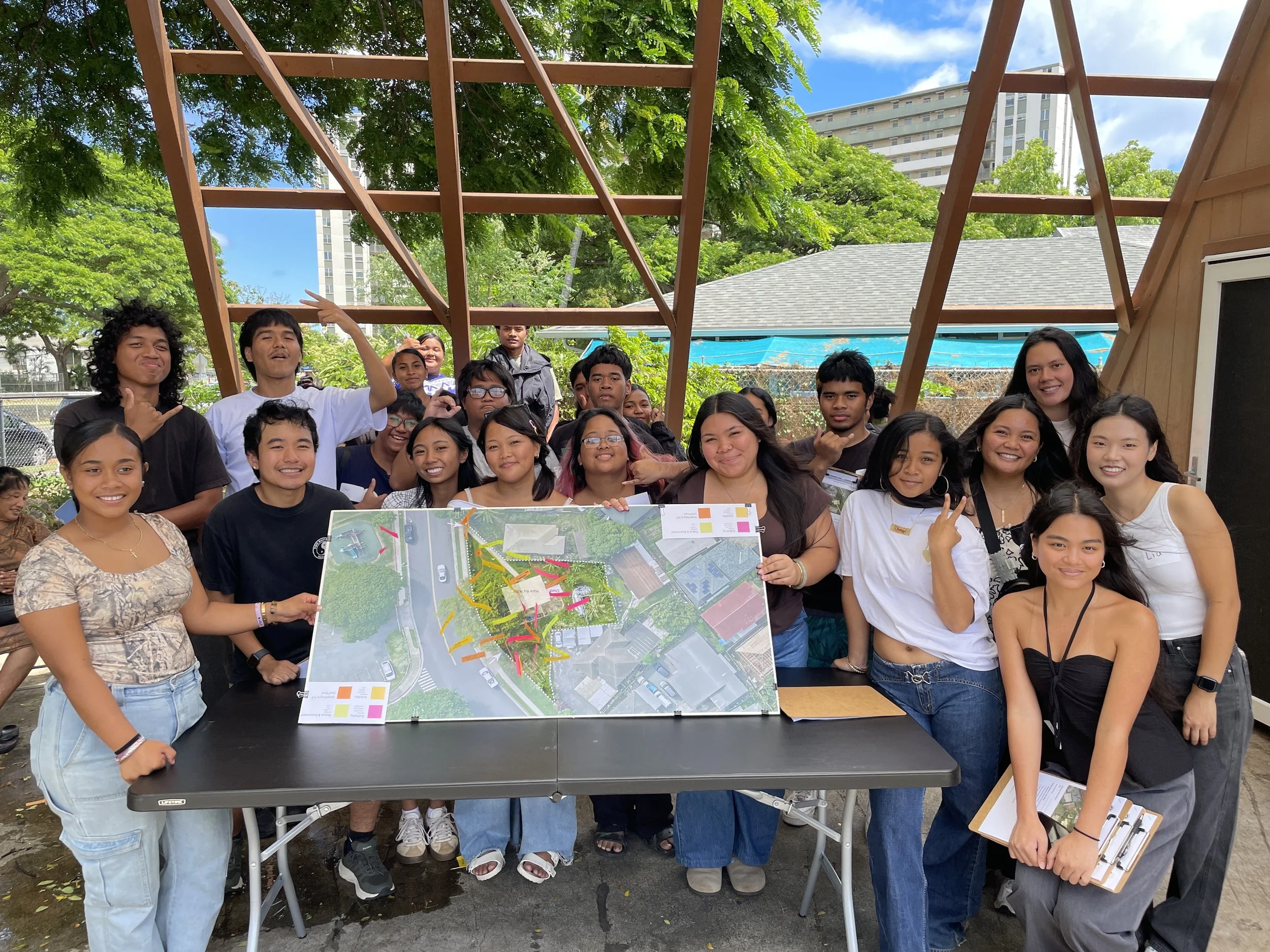
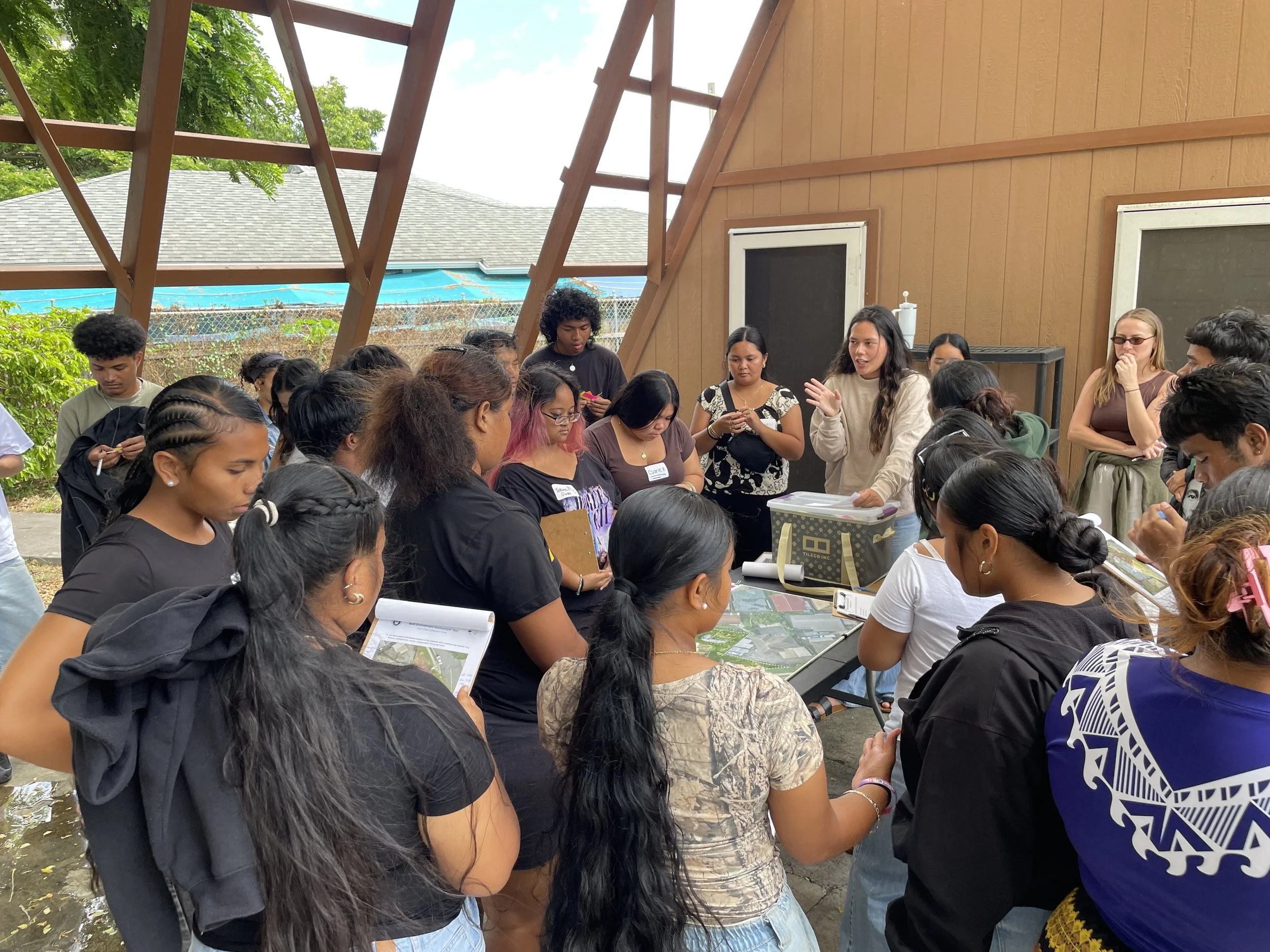
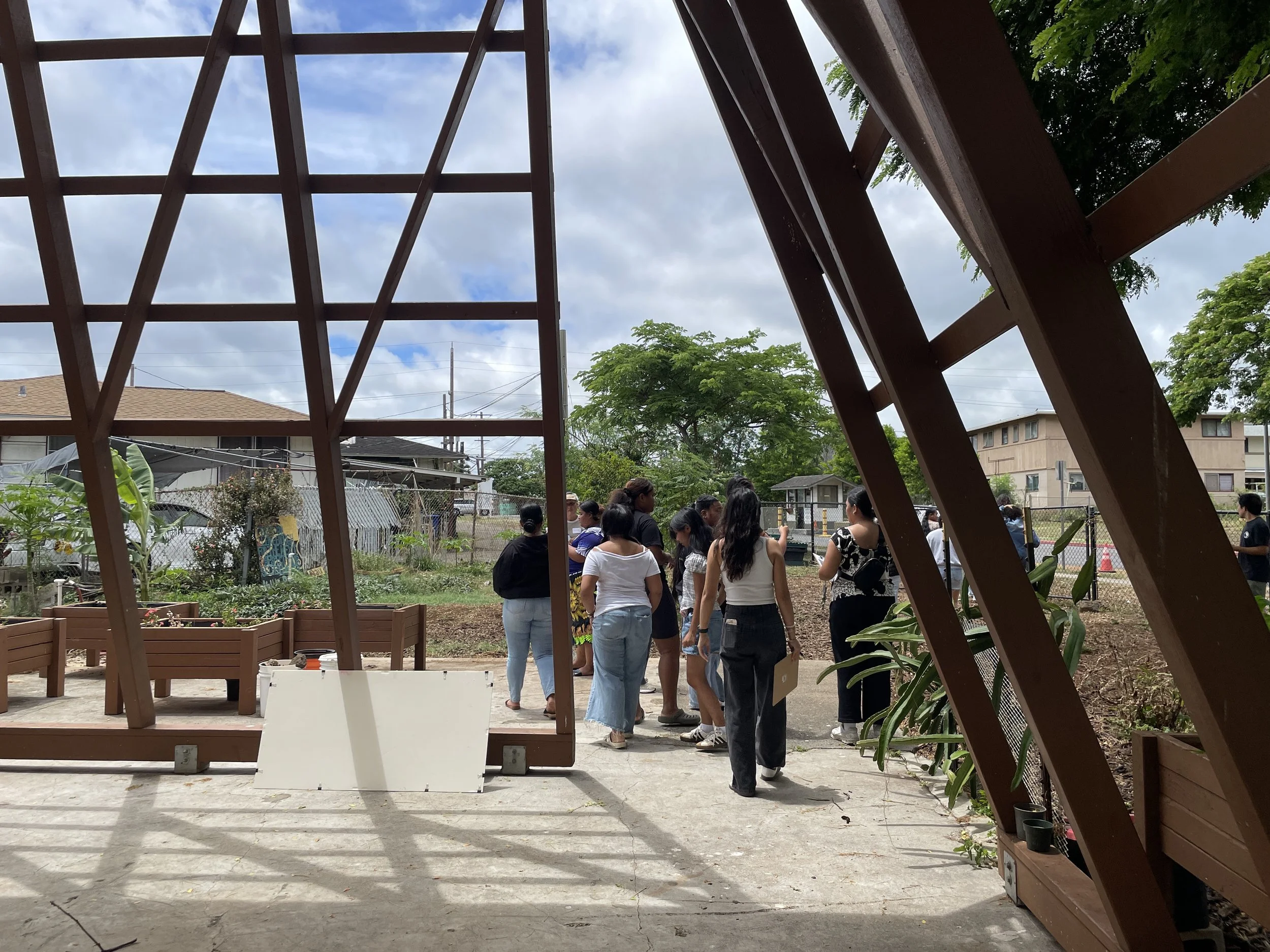
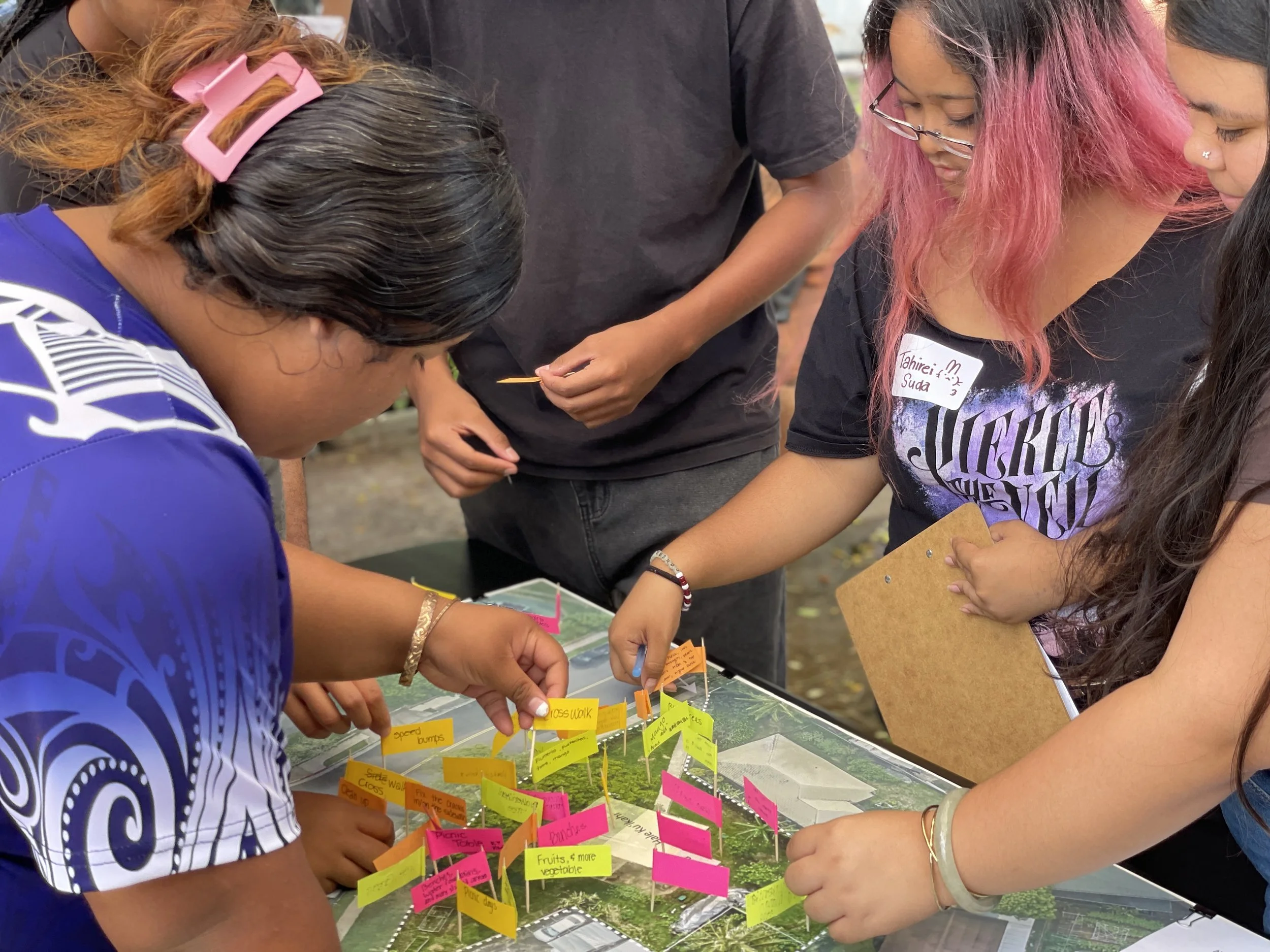
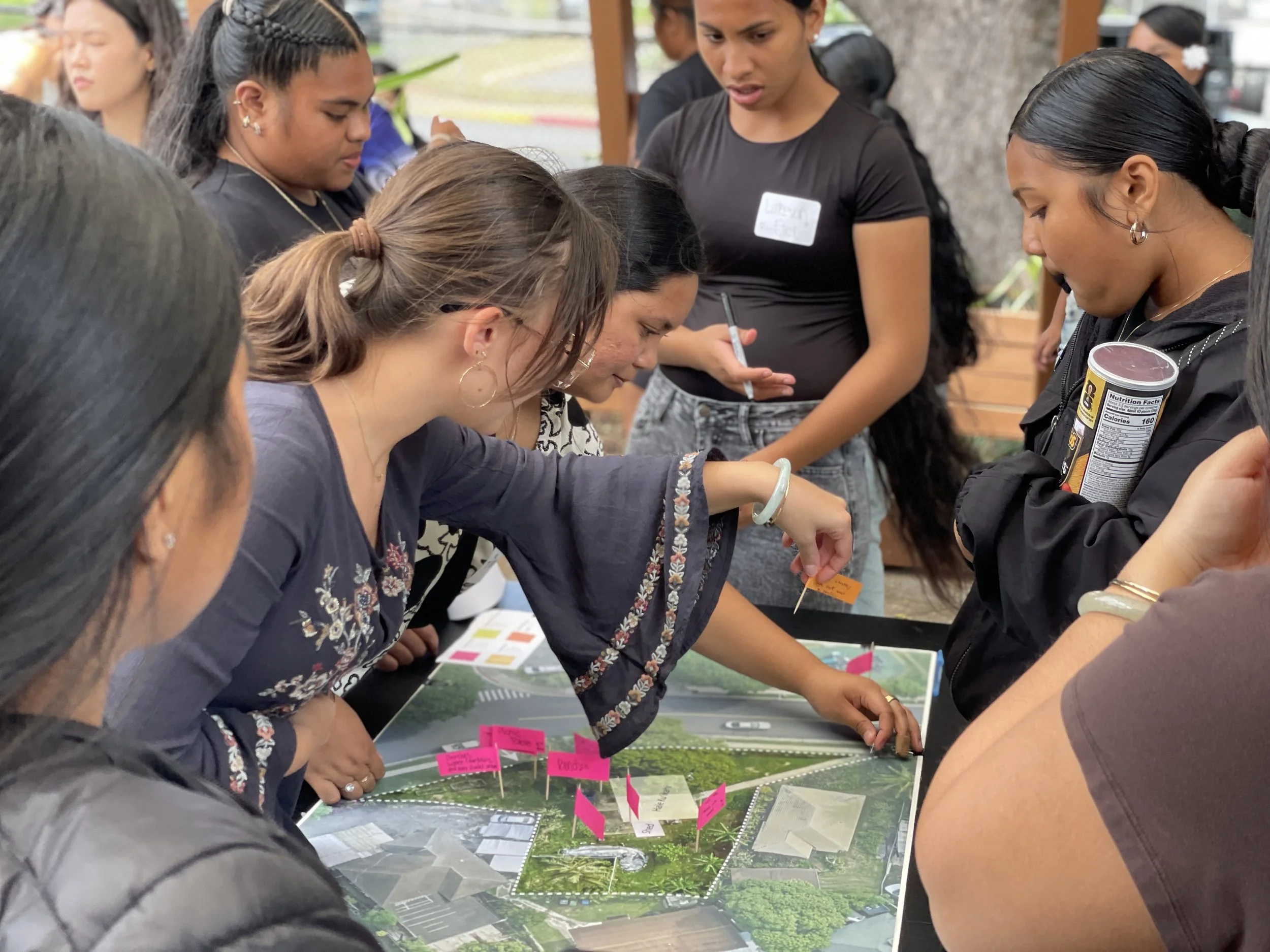
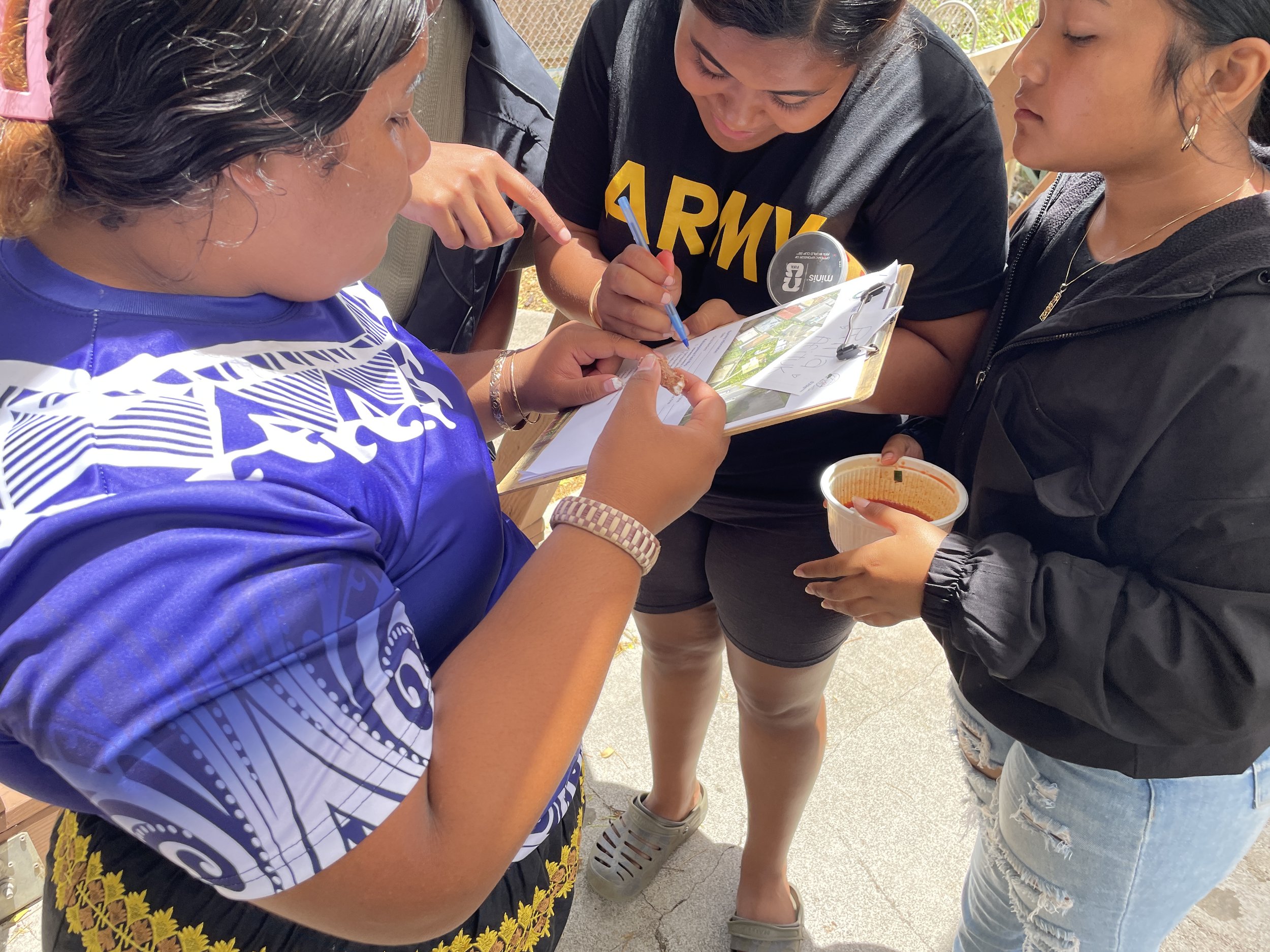
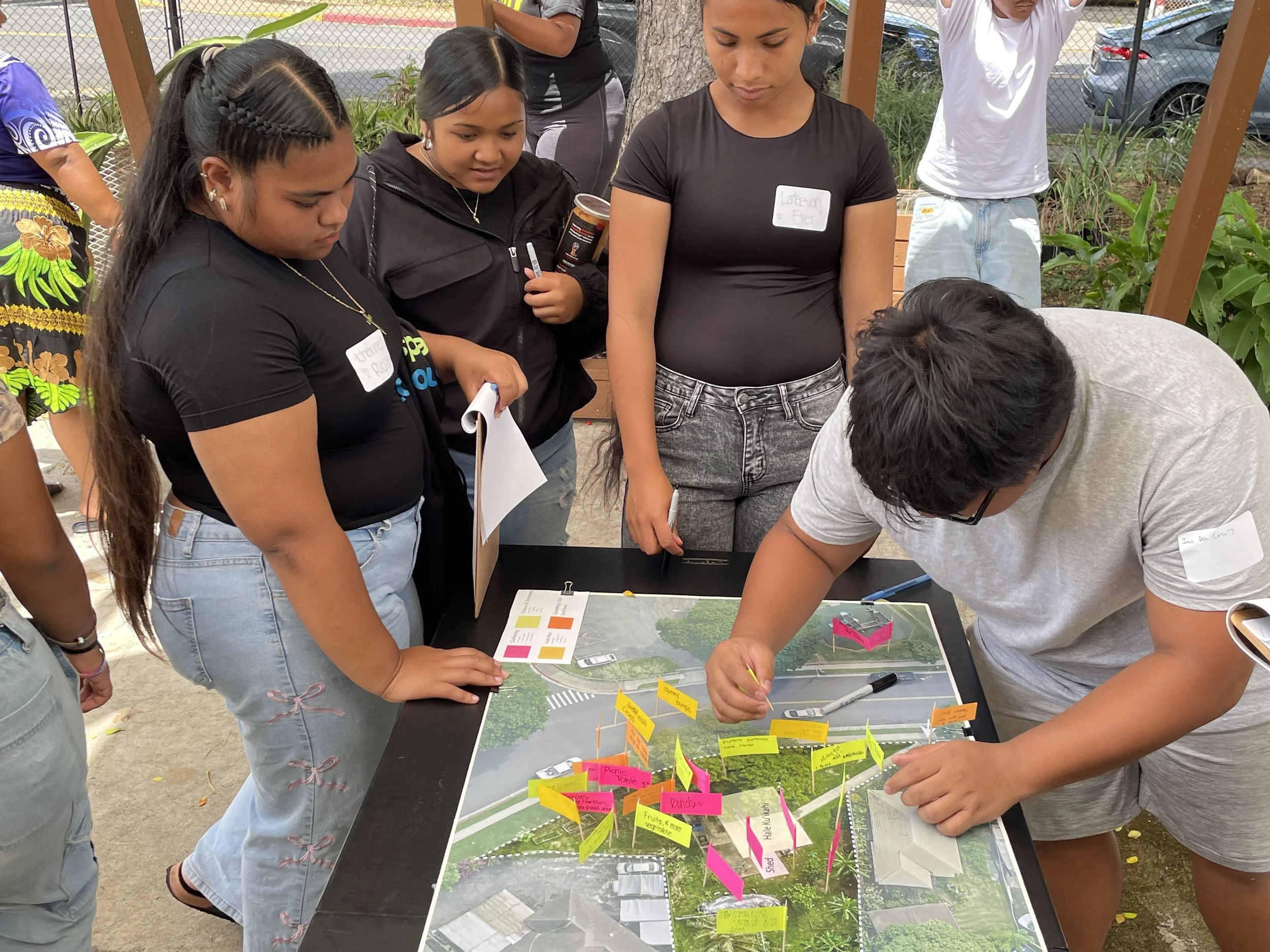
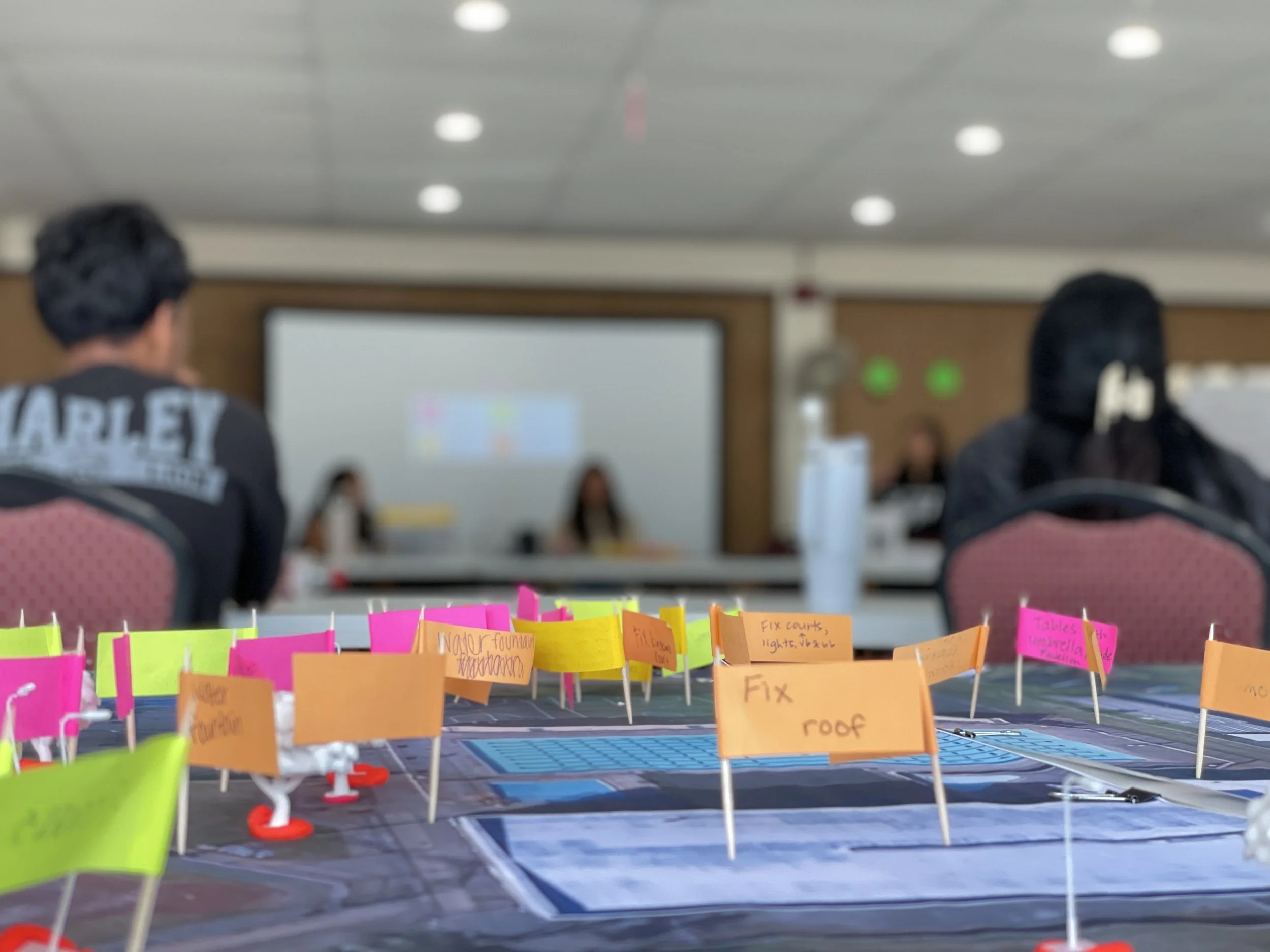
KKV reached out to UHCDC with this pressing issue and partnership invitation. The UROP faculty mentoring grant allowed faculty mentors and student mentees from the School of Architecture and Office of Public Health Studies to work with KKV staff and youth advocates (Waiwai Fellows) to conduct an inventory and spatial mapping of two existing, underused, or derelict youth spaces across the Kalihi ahupuaʻa. Using a framework informed by the CDC Built Environment Assessment Tool and Crime Prevention Through Environmental Design principles, the UHM students and KKV youth assessed the site and collectively brainstormed opportunities for improvement.
The project builds student capacity in applied research, CPTED, and community partnership while generating actionable data to support youth safety, belonging, and long-term violence prevention in Kalihi Valley.
Sponsor: UHM Undergraduate Research Opportunity Program Faculty Mentoring Grant, Department of Labor and Industrial Relations Hele Imua Program
Faculty Mentors: Cathi Ho Schar FAIA, Lorinda Riley SJD
Student Assistants: Allyson Ijima-Mangubat , Mailiokawailelenani McKeague, Tiana Mangrobang, Geosa Aquisay, Cheng Hong He
Community partner: Kokua Kalihi Valley