Hawaiʻi Correctional Industries Master Plan and Laumaka Workforce Development Center
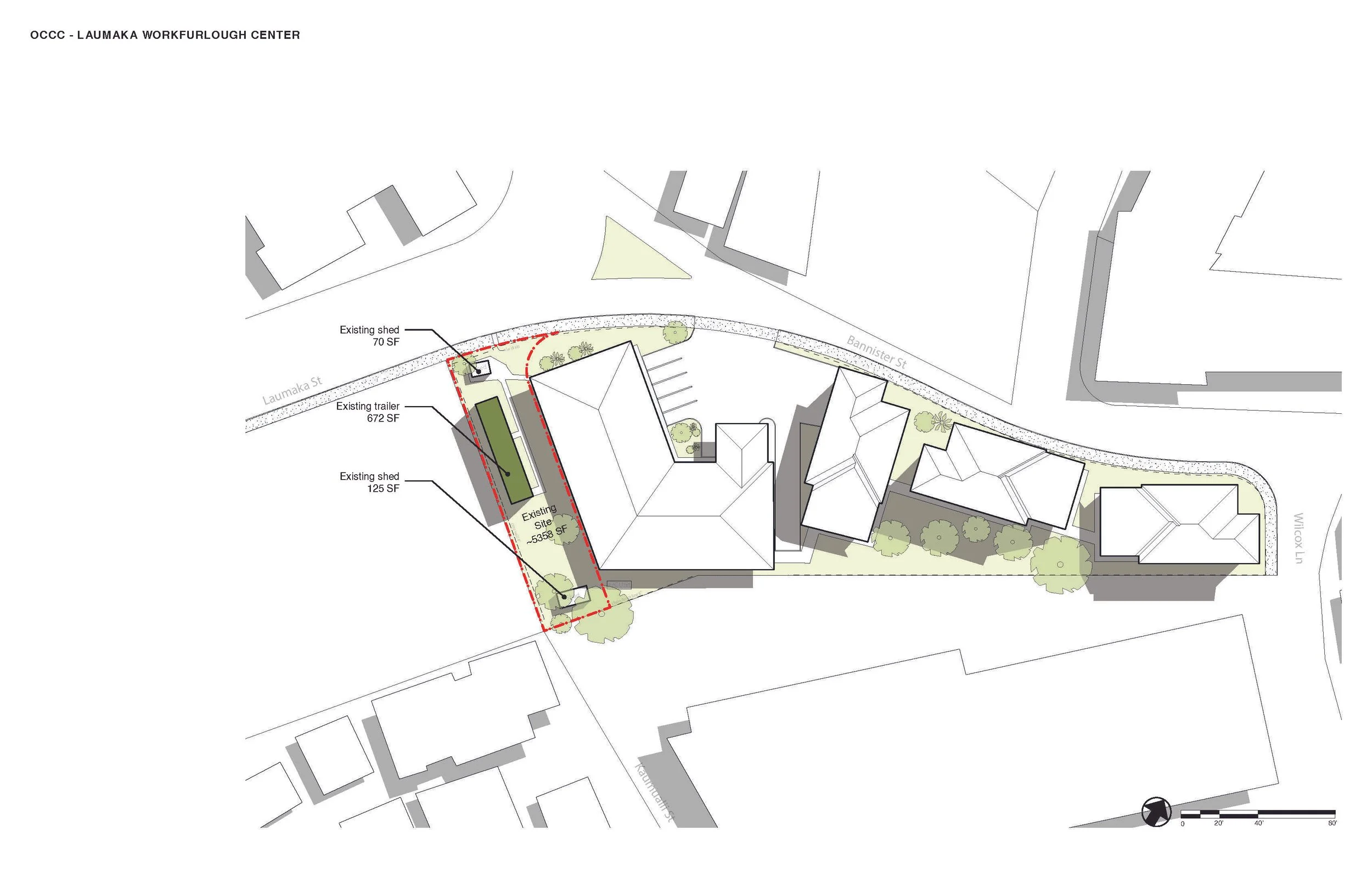
Building upon previous correctional facility planning and proof-of-concept studies completed with the Hawaiʻi Department of Corrections and Rehabilitation (DCR), UHCDC in collaboration with Bowers & Kubota and Hawaiʻi Correctional Industries (HCI), is developing a Hawaiʻi Correctional Industries Master Plan alongside a proof-of-concept design for a modular Workforce Development Center at the Laumaka Work Furlough Center in Kalihi.
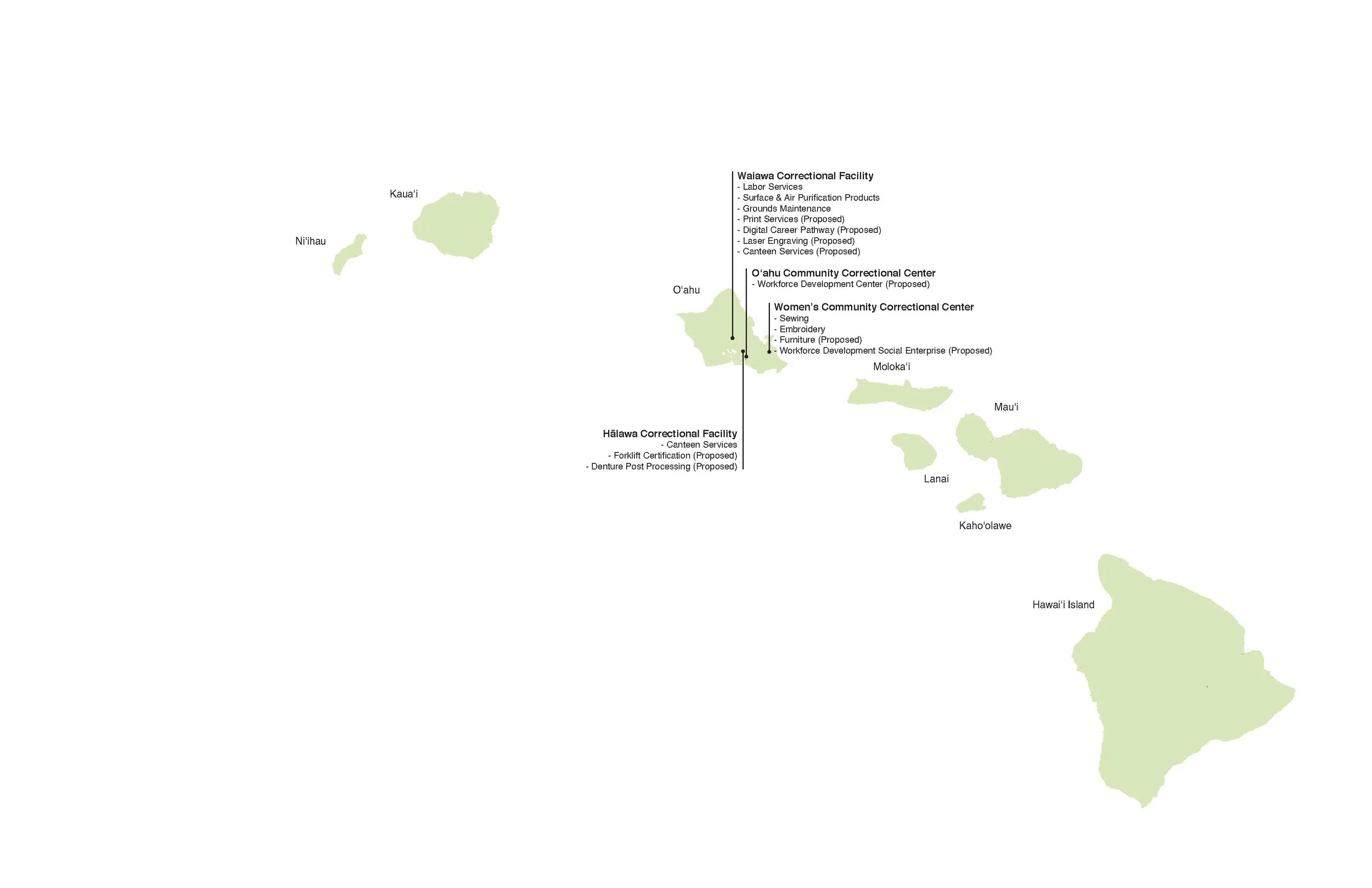
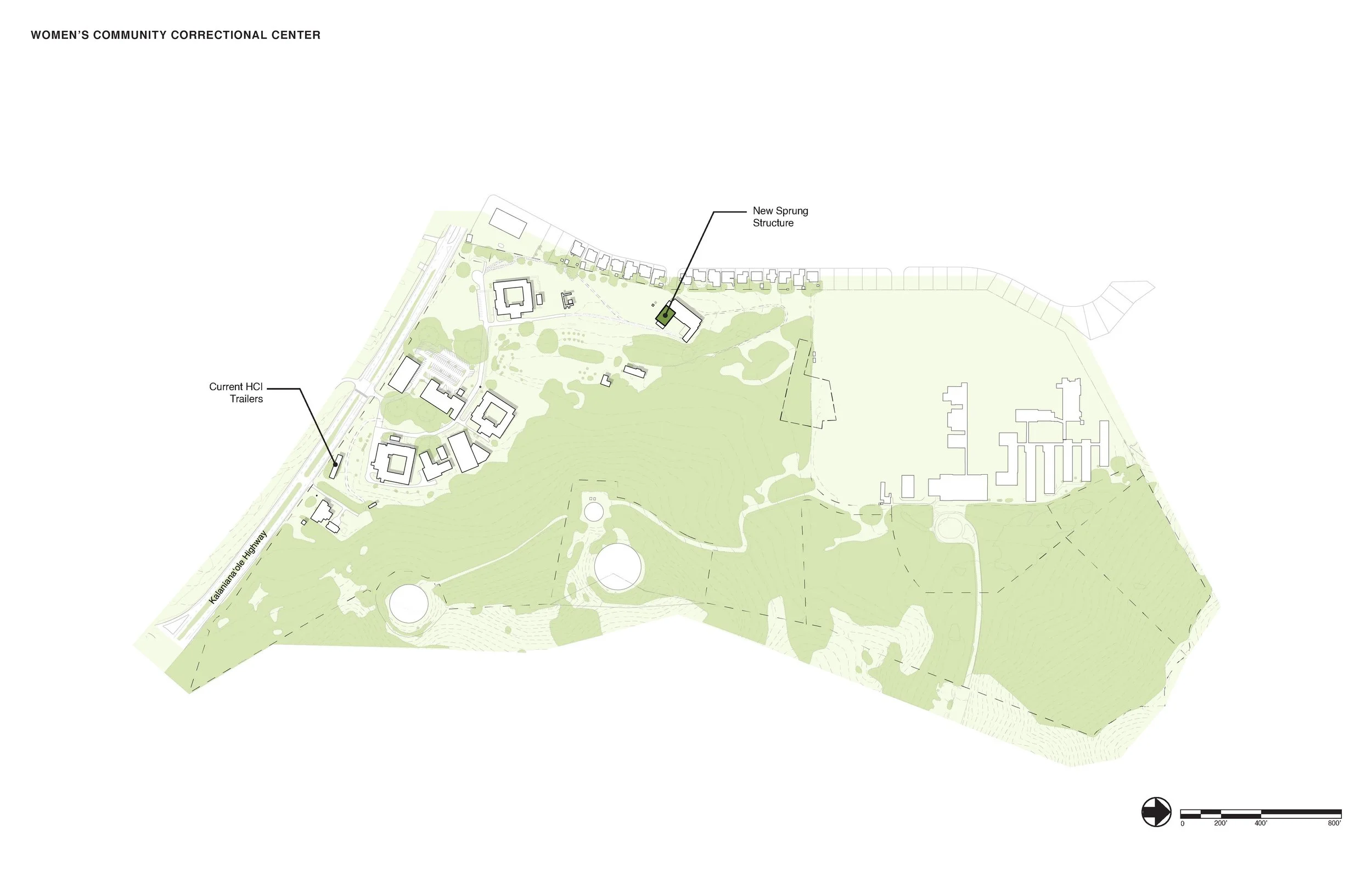
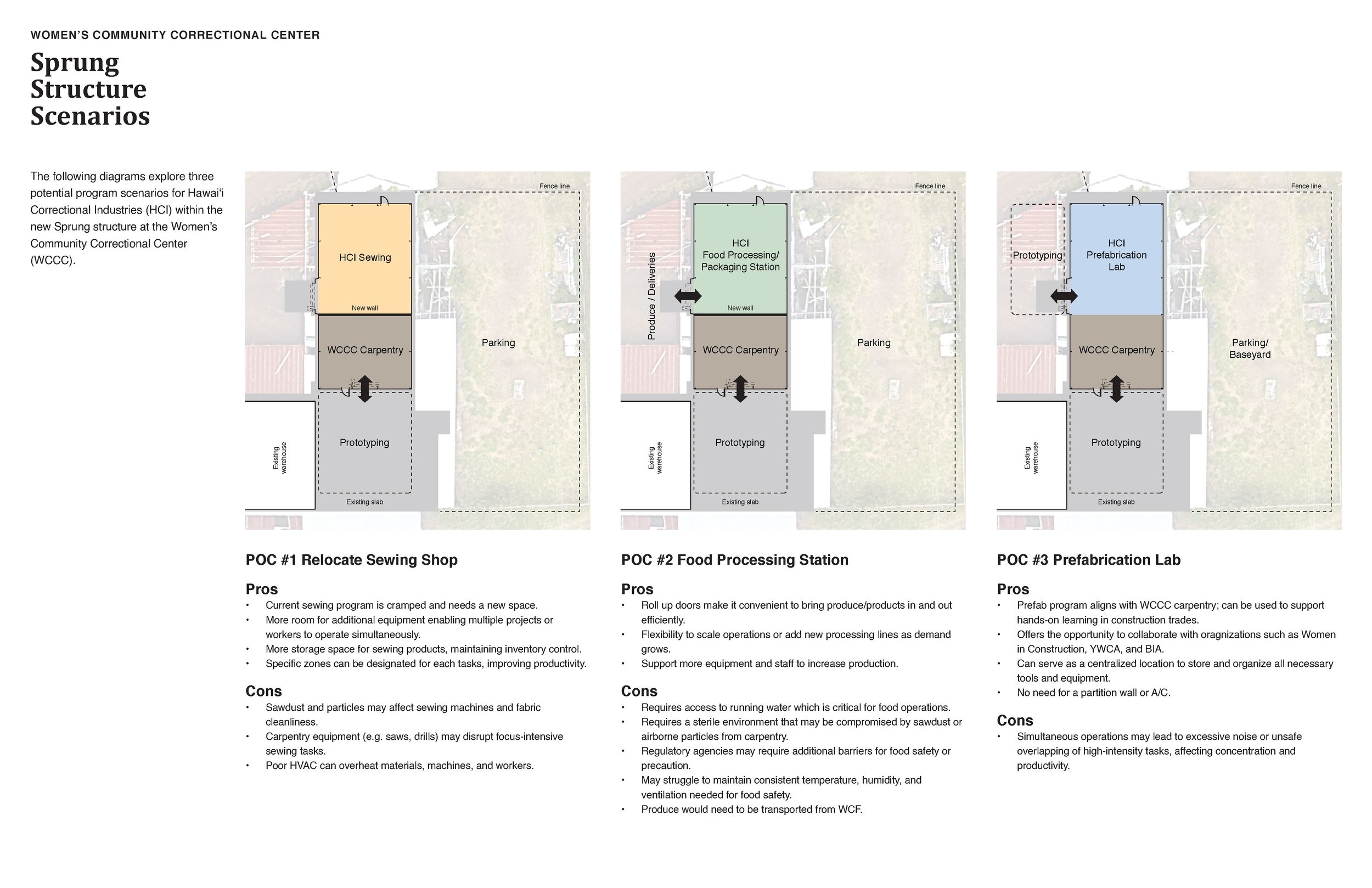
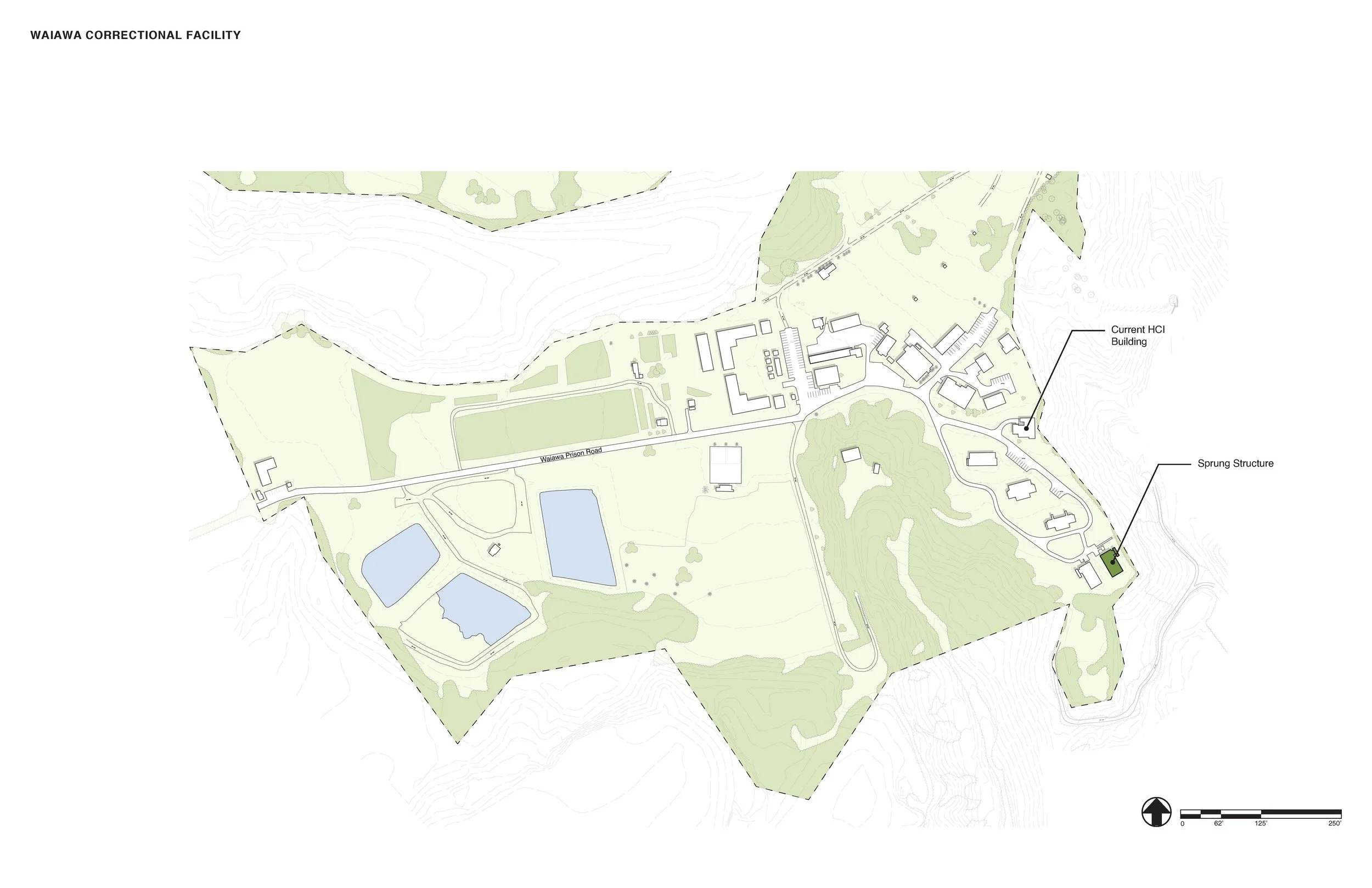
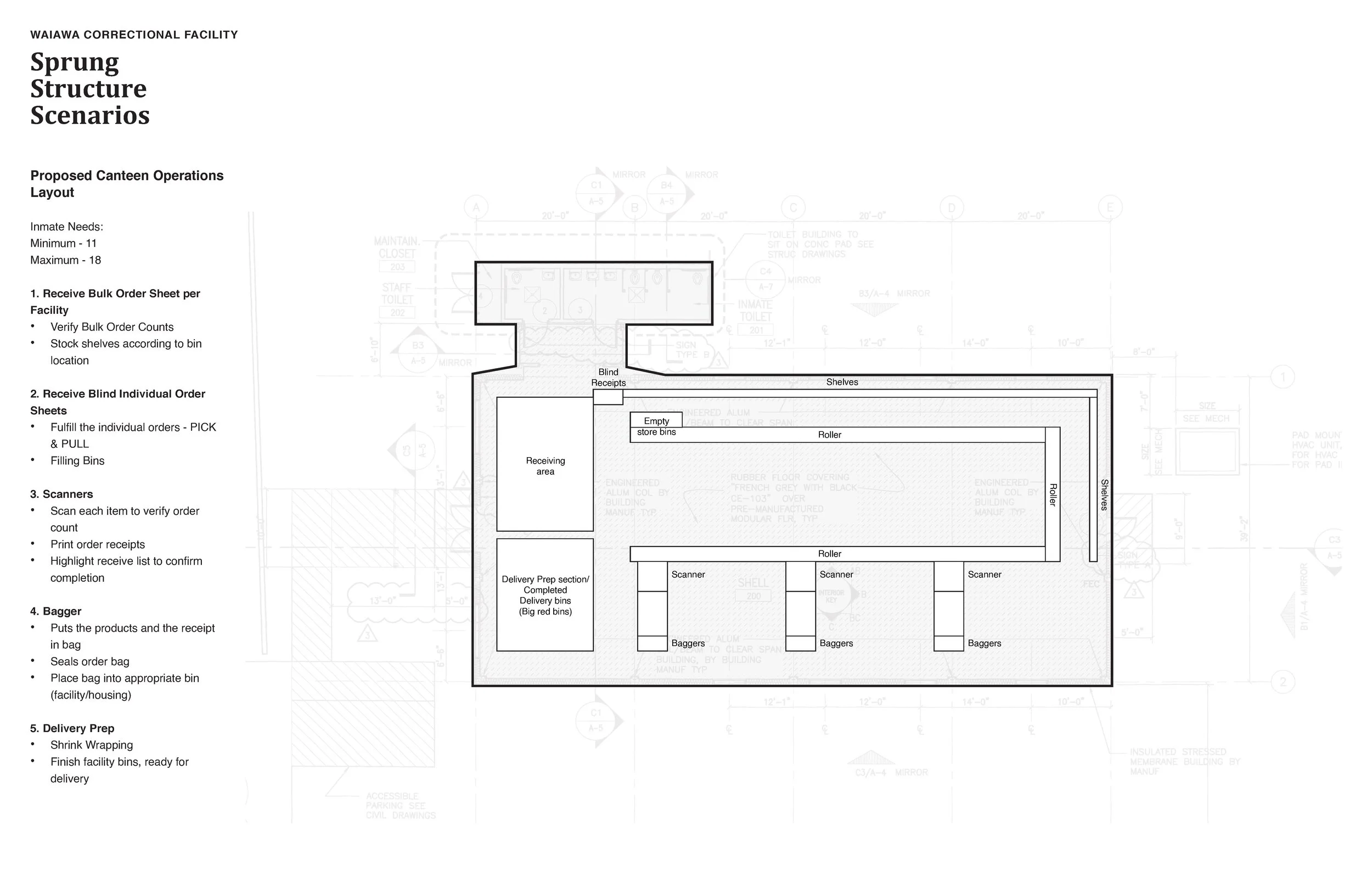
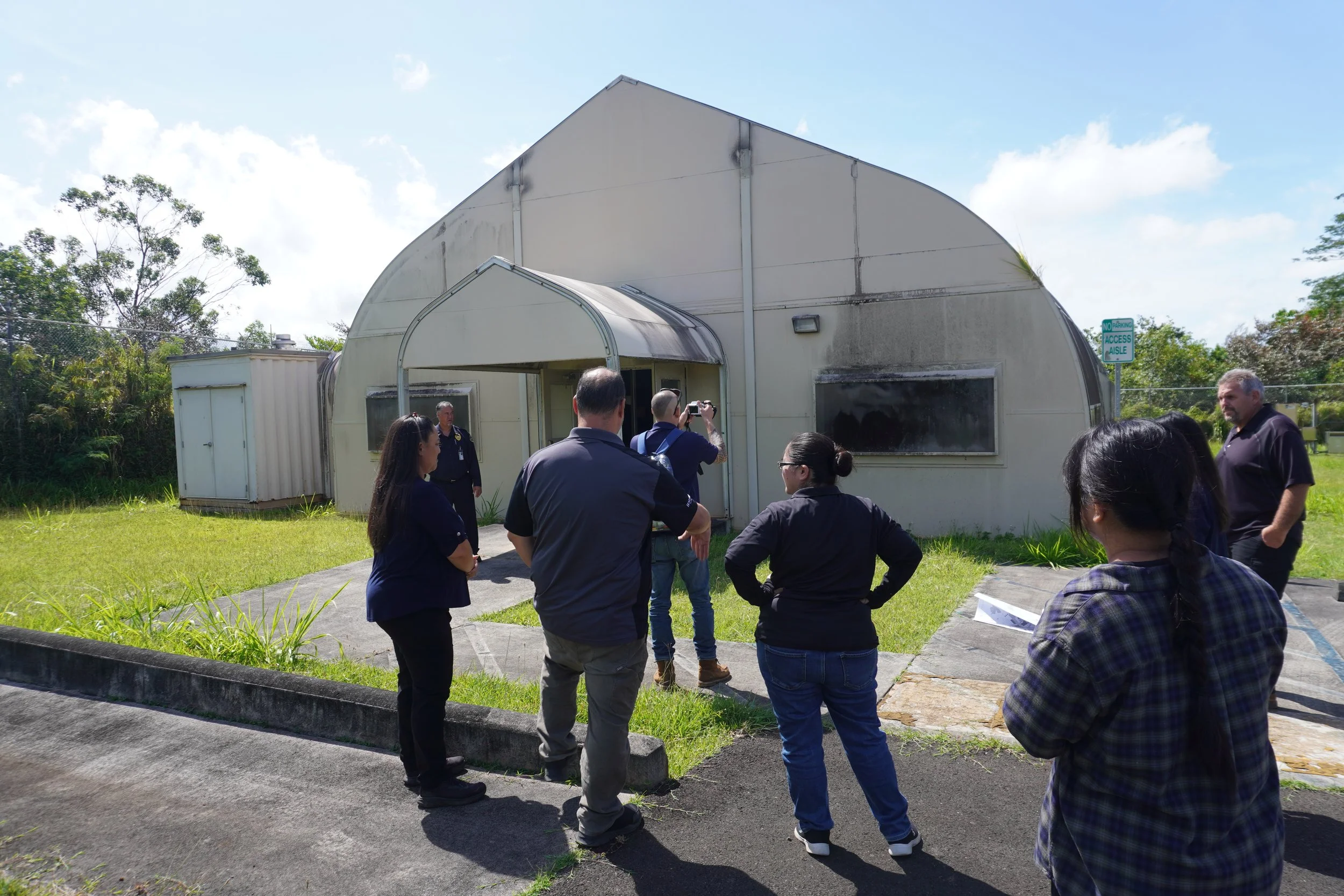
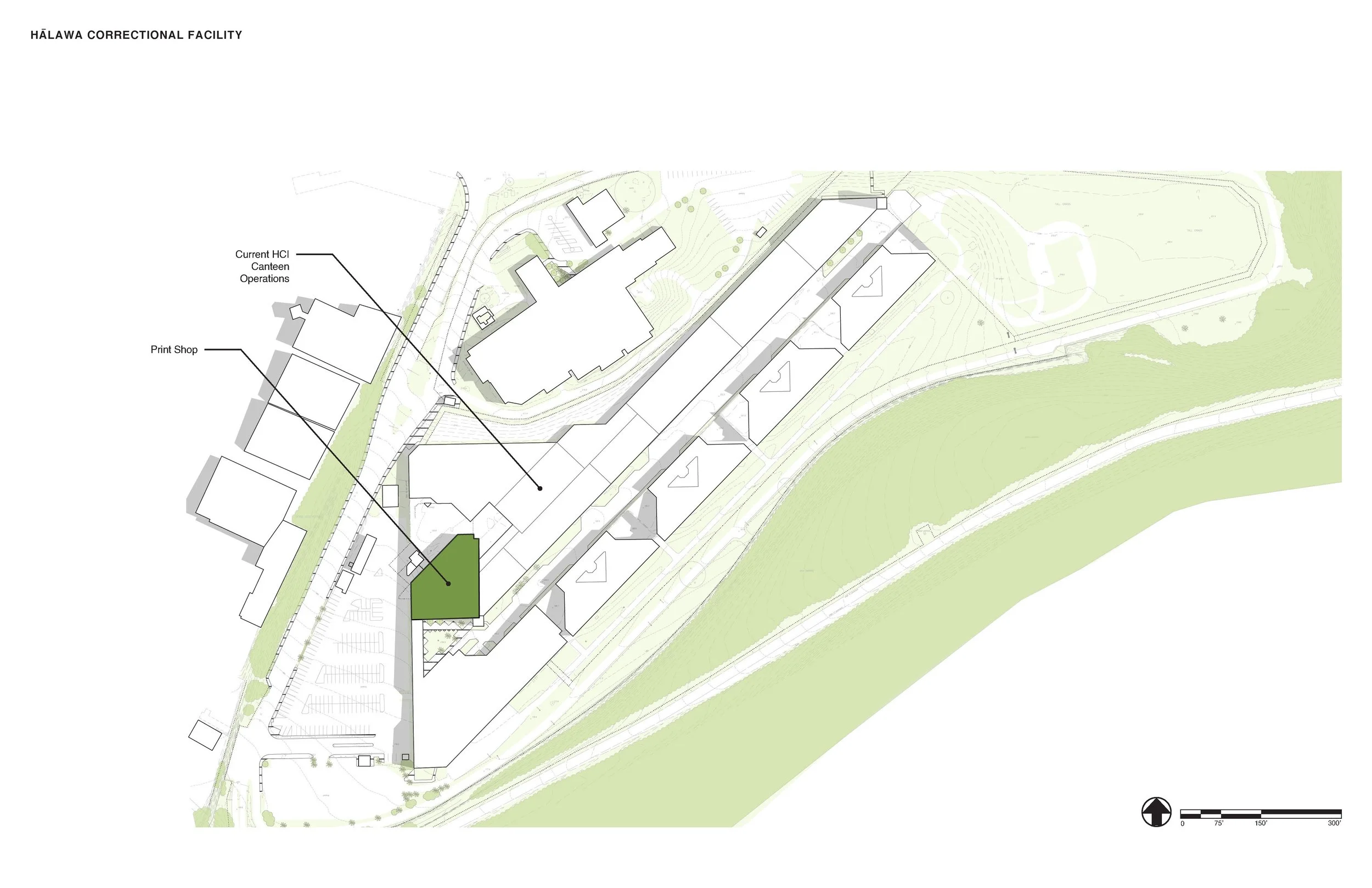
The master plan identifies capital improvement opportunities to expand HCI programs and services across four correctional facilities statewide: Waiawa Correctional Facility, Women’s Community Correctional Center, Hālawa Correctional Facility, and the Laumaka Work Furlough facility adjacent to the Oʻahu Community Correctional Center.
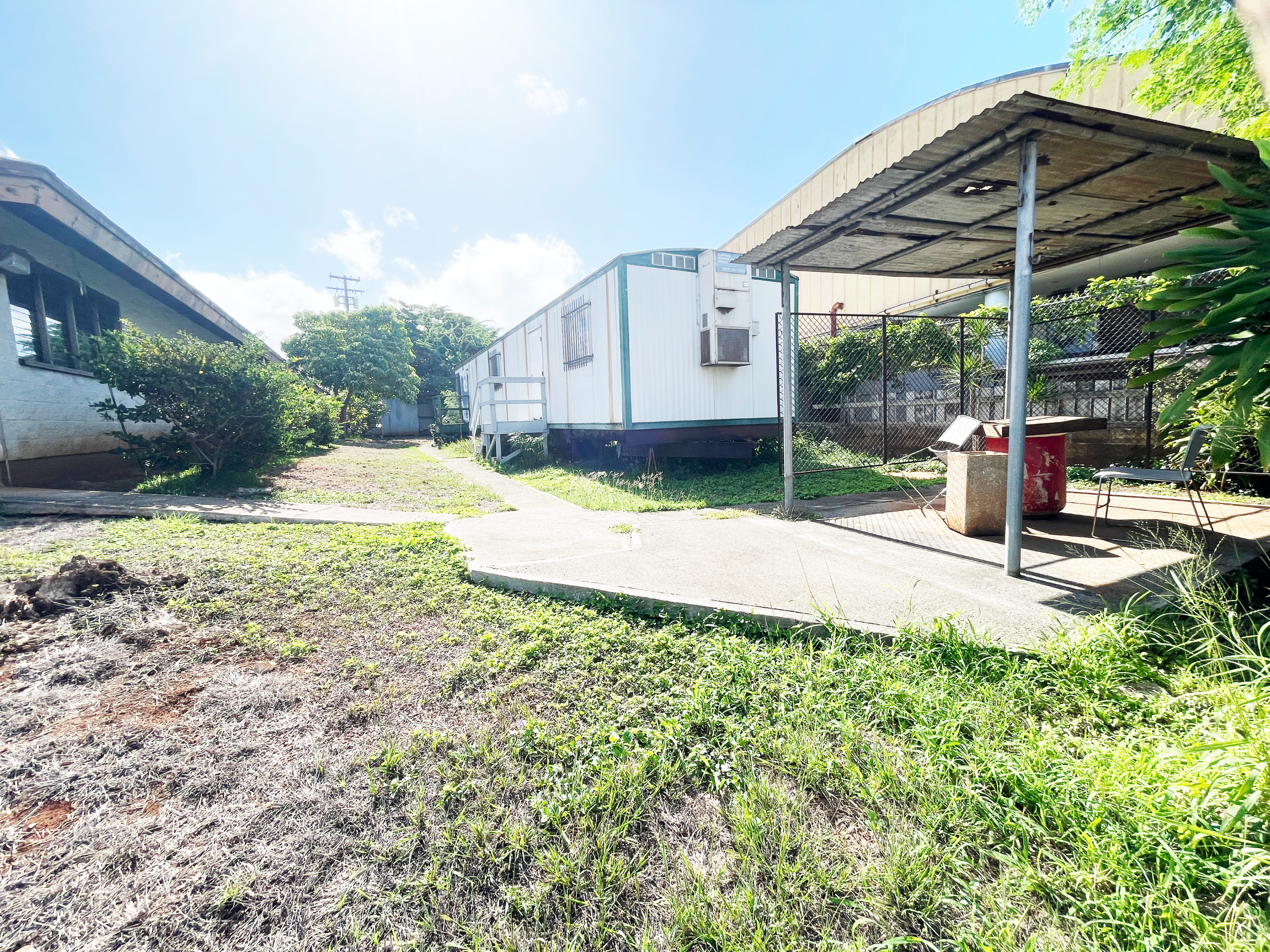
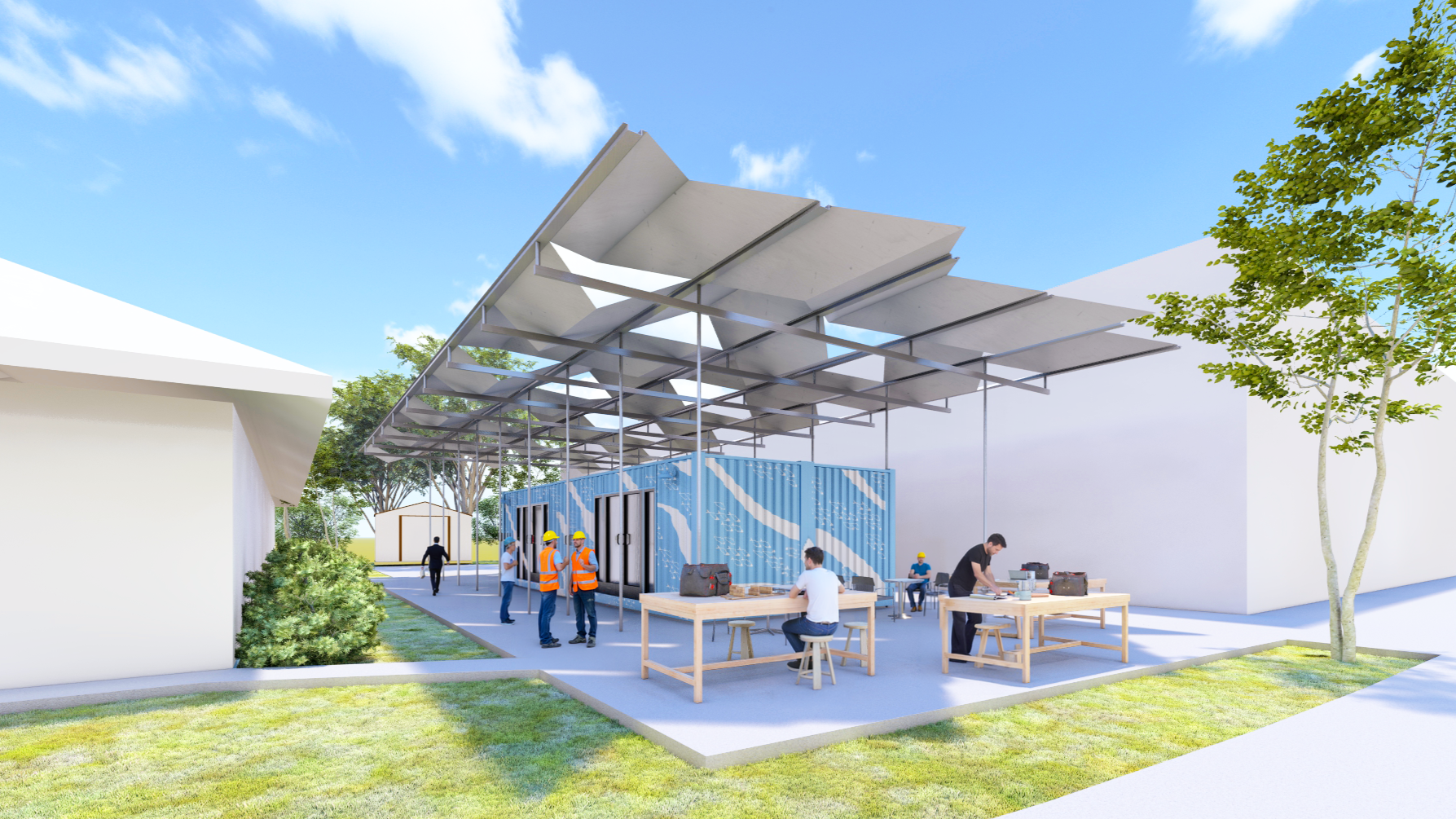
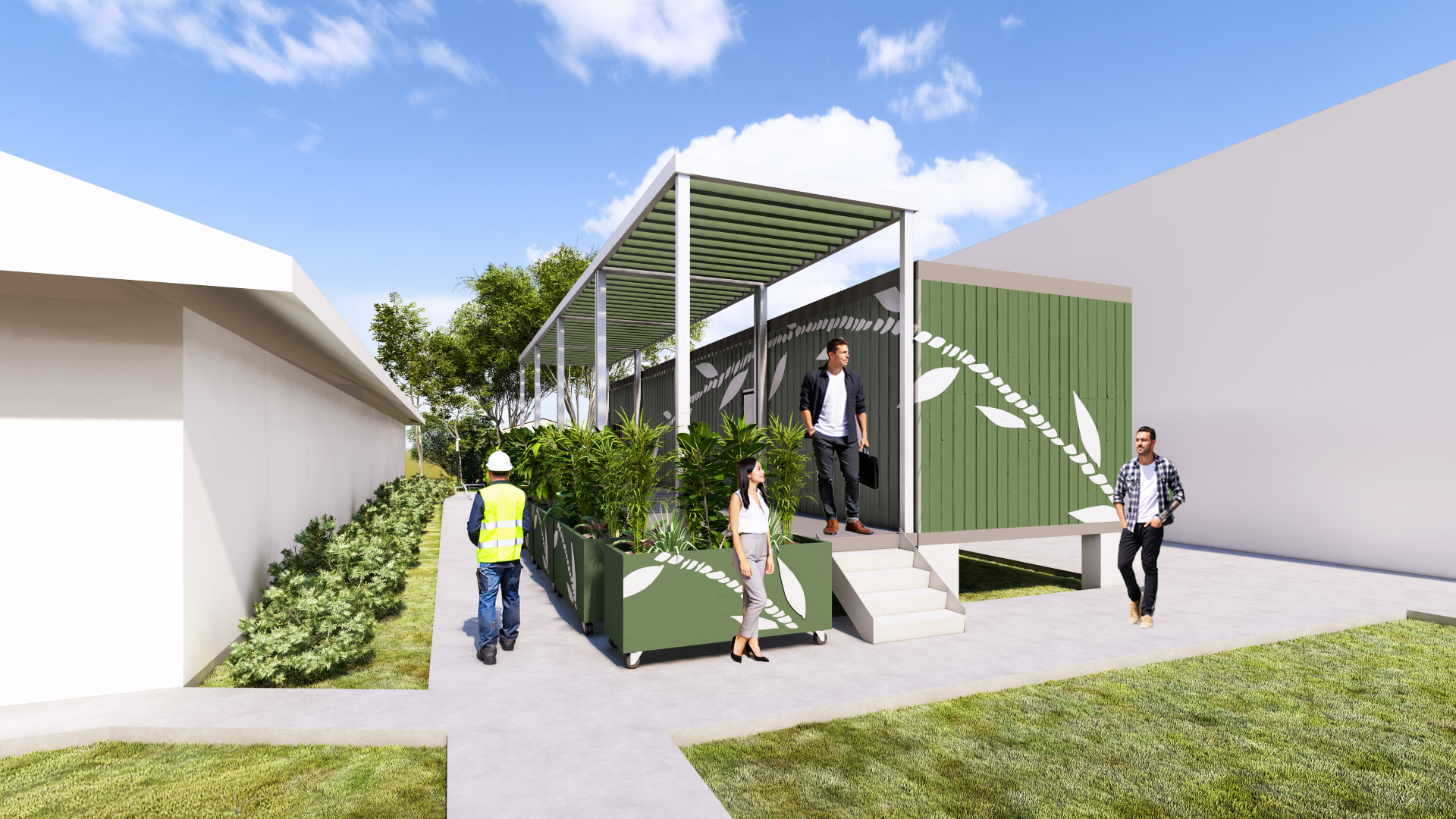
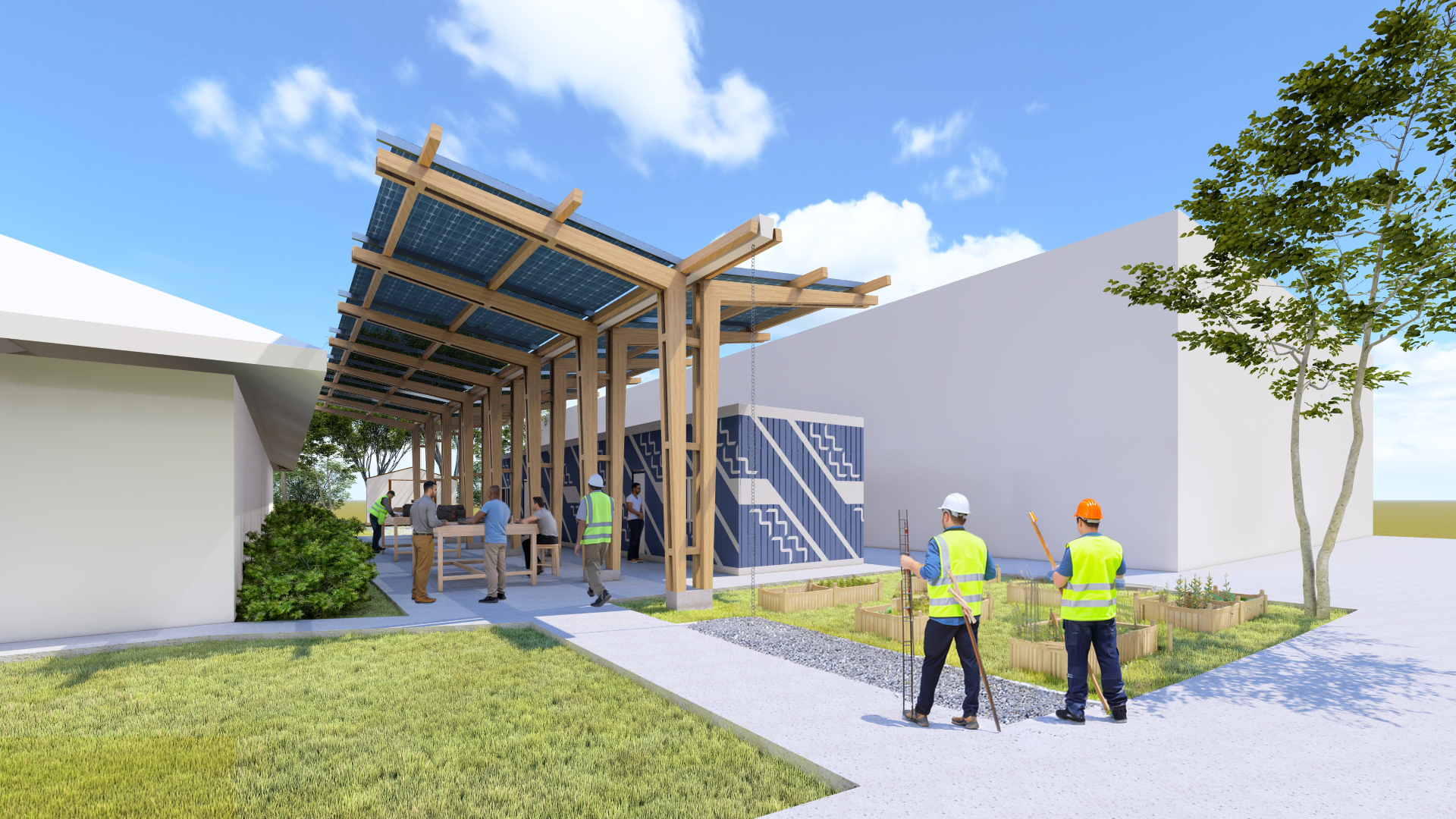
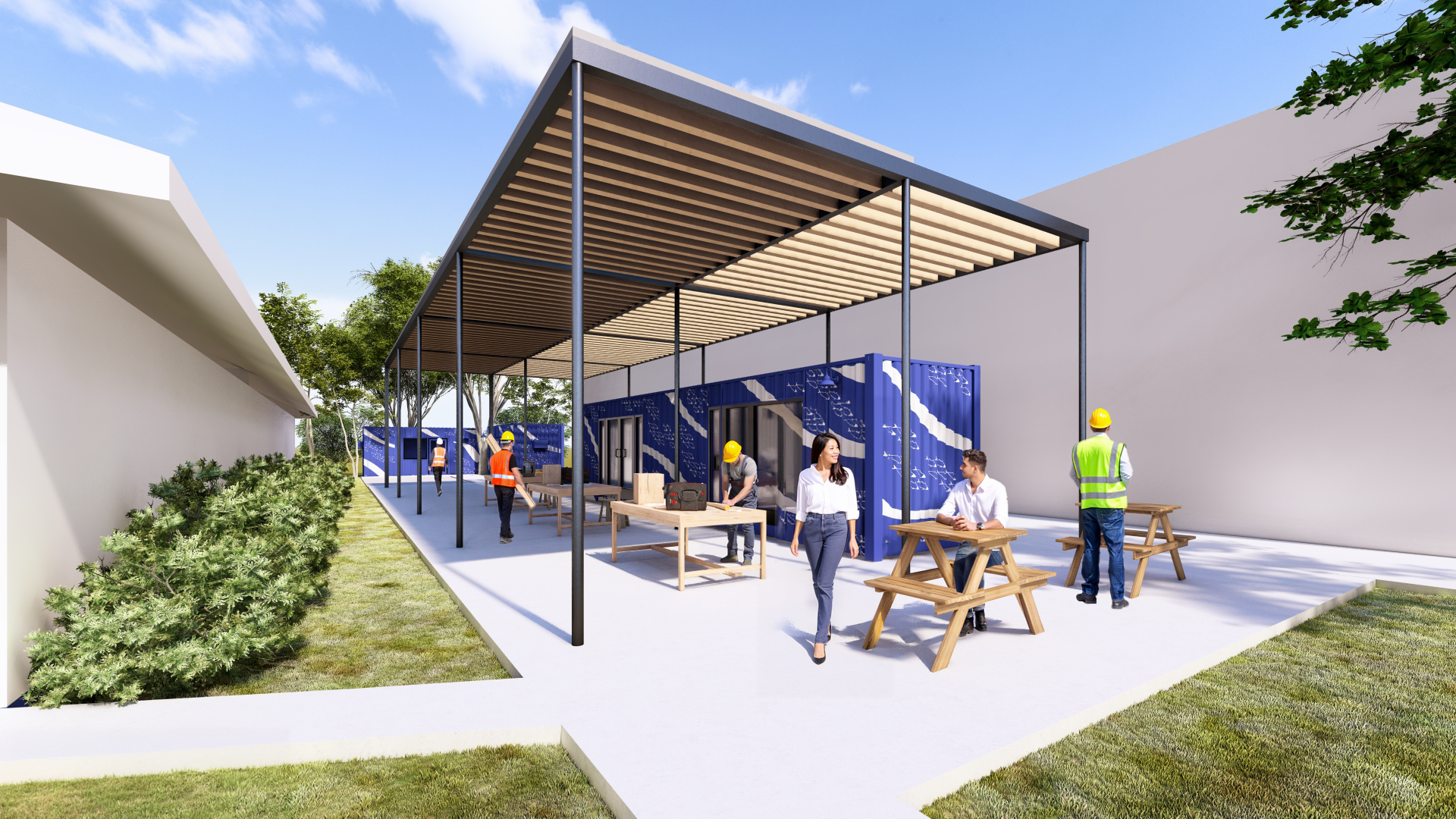
The Laumaka Workforce Development Center demonstrates how design can support successful community reintegration by creating flexible spaces for workforce training, job readiness, vocational education, and reentry services. The proposed center provides opportunities for resume development, mock interviews, employment support, and hands-on construction training while incorporating outdoor learning and container gardening to promote health and well-being.
Designed as a modular and relocatable center, the project demonstrates how temporary facilities can still expand rehabilitation programs, strengthen workforce pathways, and improve outcomes for individuals transitioning from incarceration back into the community.
Together, these planning and design studies focus on capital improvements that enhance rehabilitation, workforce development, and holistic health and well-being for both staff and adults in custody.
Client: Department of Corrections and Rehabilitation
Principal Investigator: Cathi Ho Schar FAIA
Project Staff: Kaylen Daquioag, Creesha Layaoen
Student Project Assistants: Dylan Martos, Zoe Huang, Cheng Hong (Lia) He, Ezekiel Nadamoto
Professional Partners: Bowers + Kubota Inc. Aaron Ackerman, Leilani Peck