ARCH 342: Intermediate Design Studio II
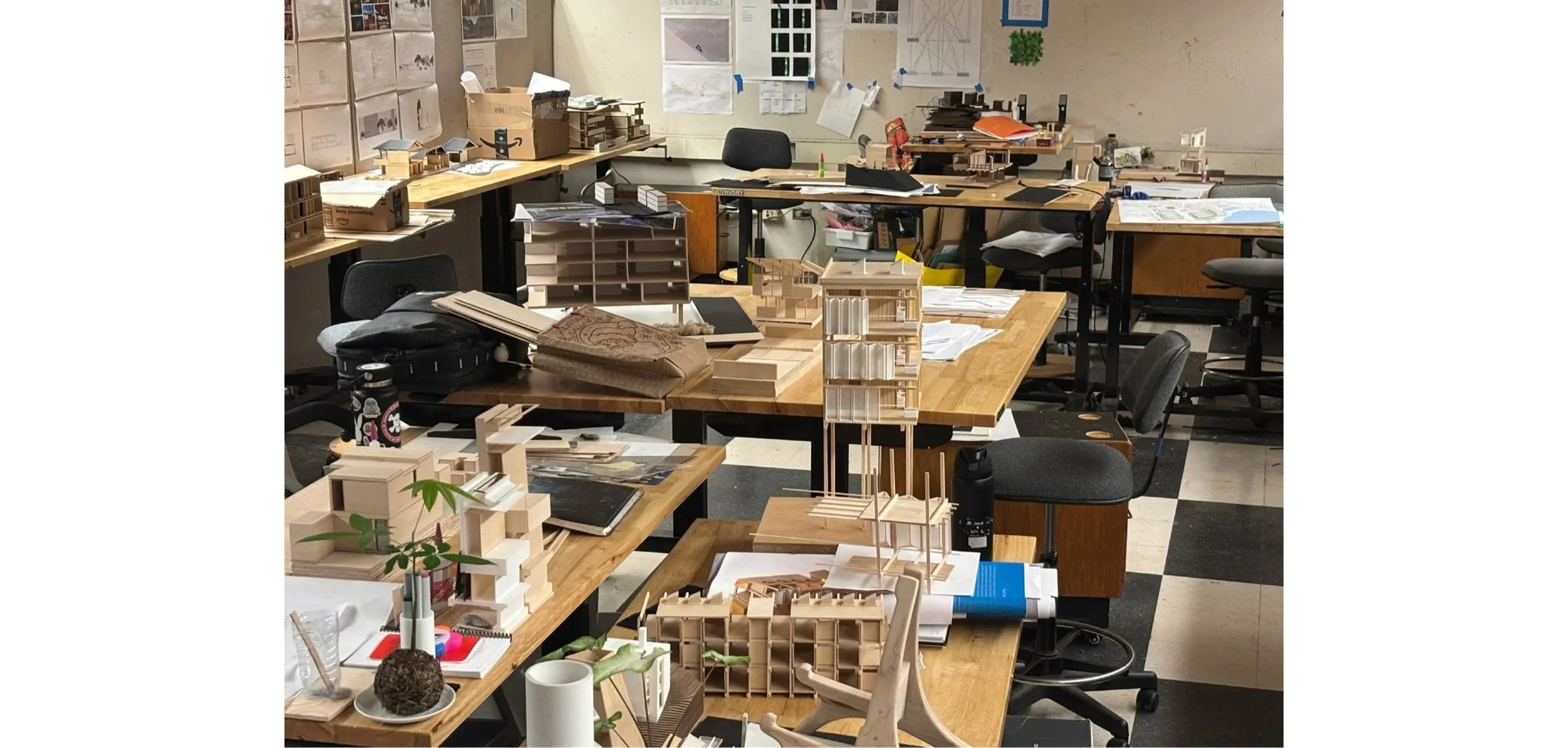
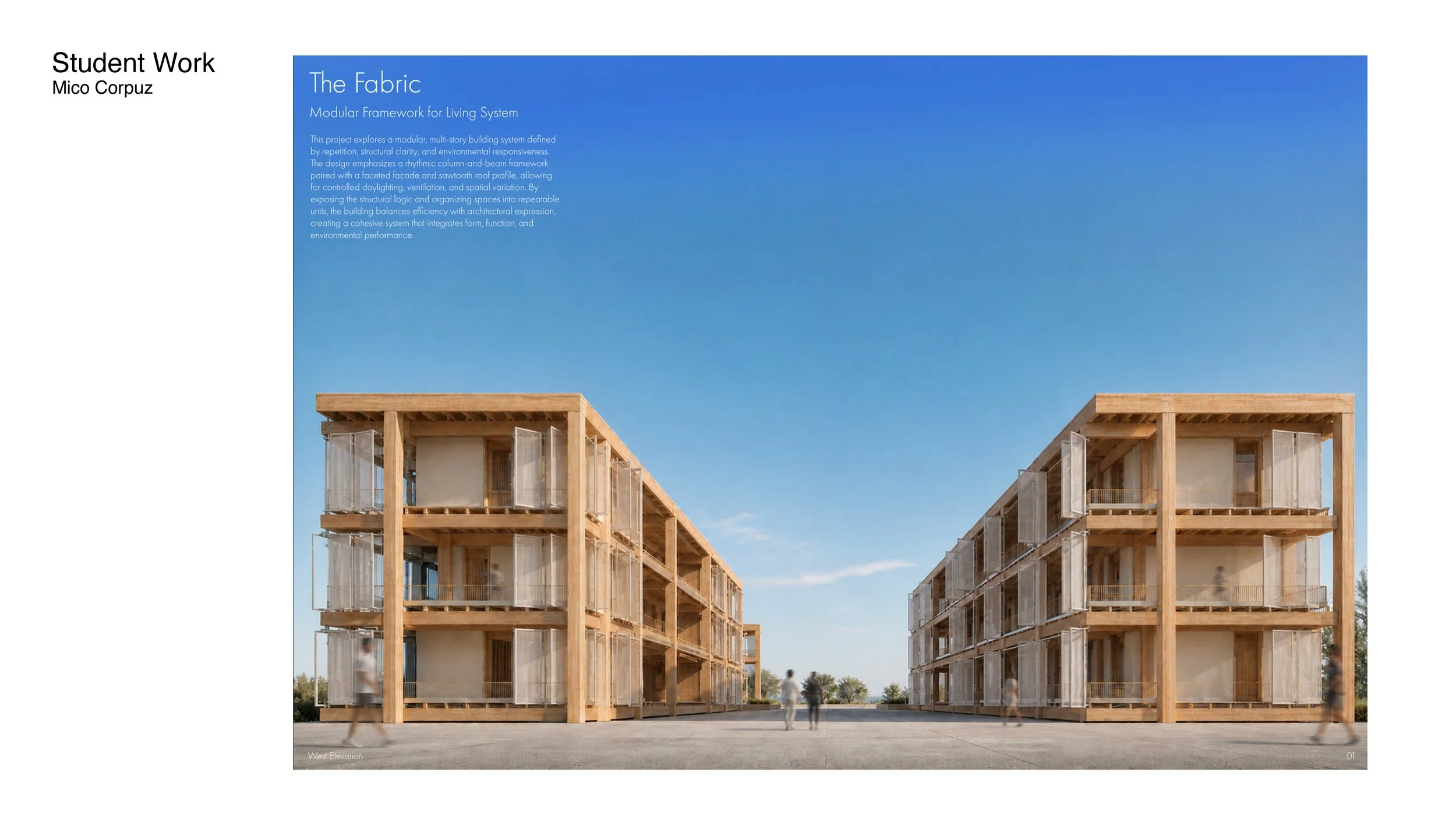
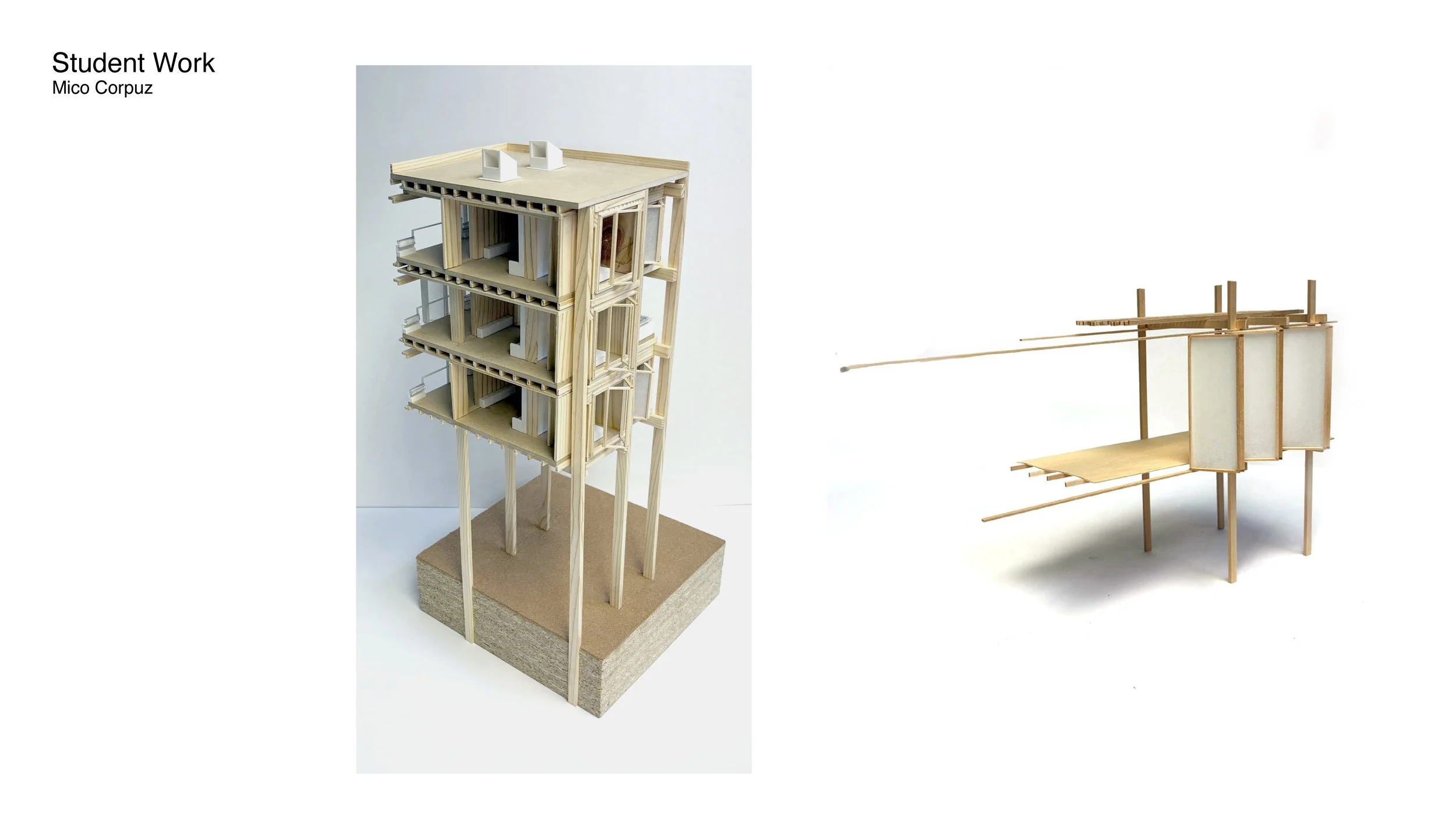
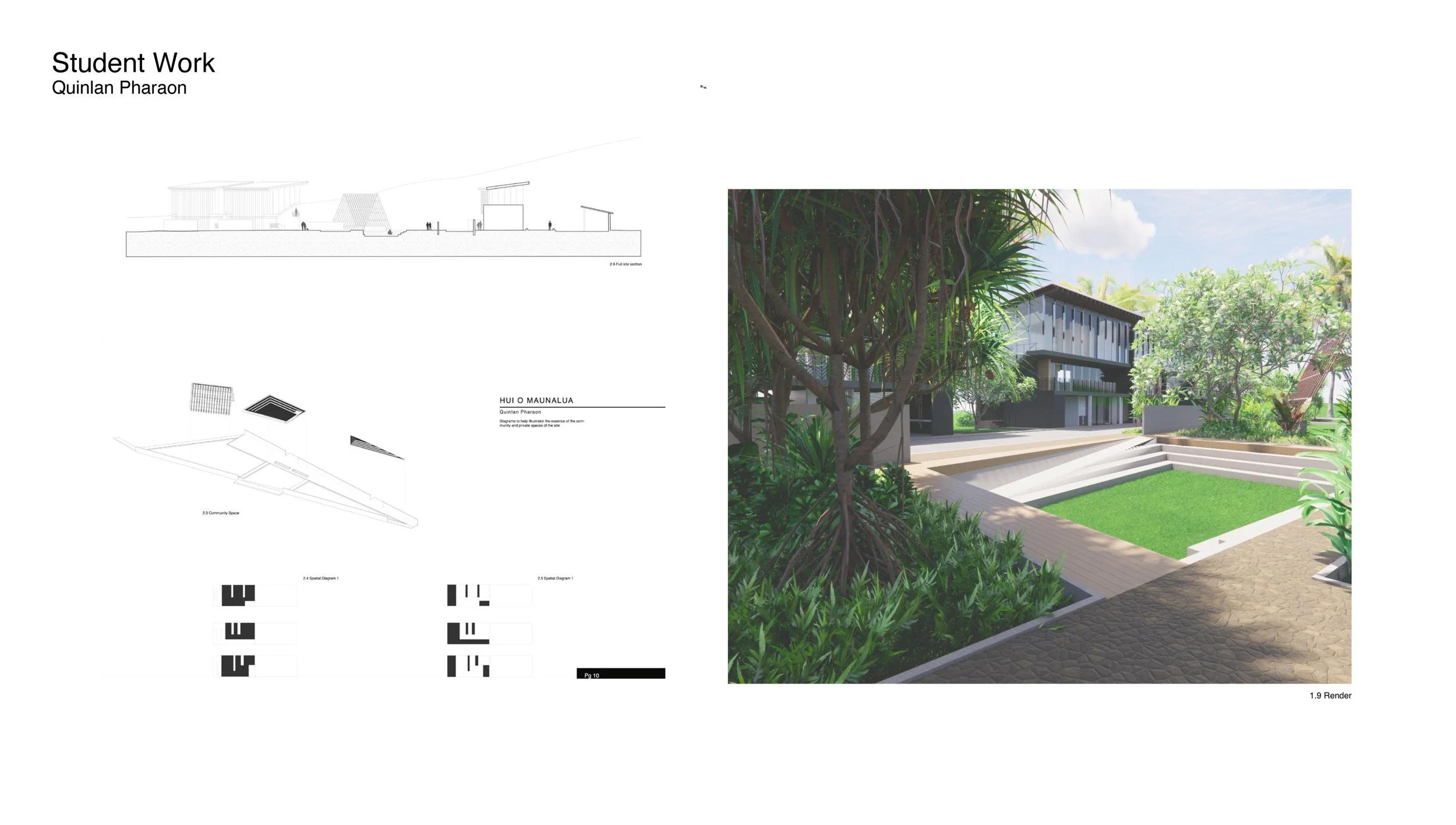
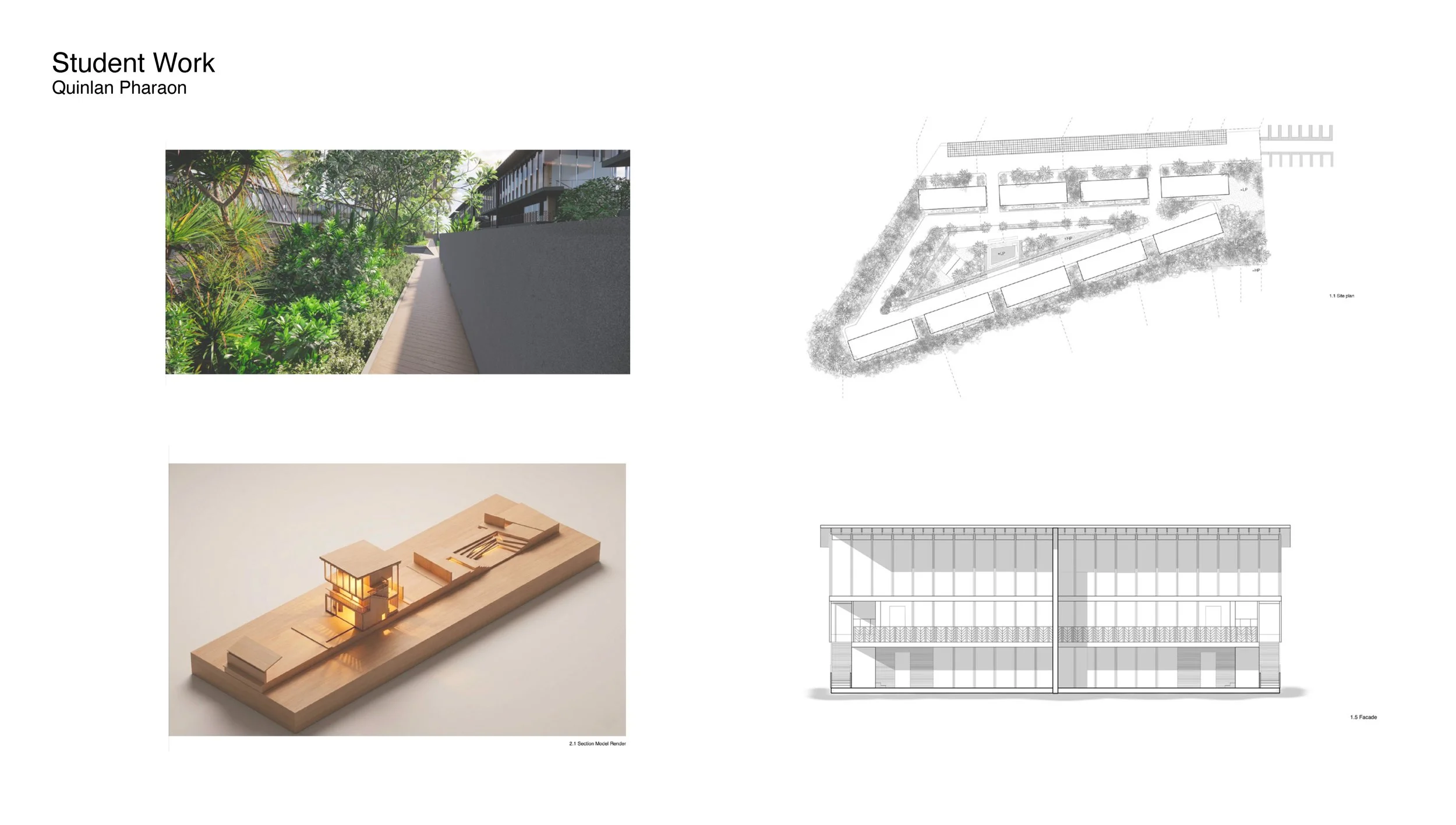
Arch342 (Intermediate Design Studio II), was generously sponsored by Department of Hawaiian Homelands (DHHL) through the UHCDC. The goal of the studio was to investigate the capacity of the Maunalua site in Hawaiʻi Kai in terms of not only housing (density) but also in regards to food production (both agricultural and aquacultural), energy production and resiliency. Developing this site is somewhat controversial in that this will become the first DHHL repatriation project that is multi-family opposed to single family homes on individual lots.
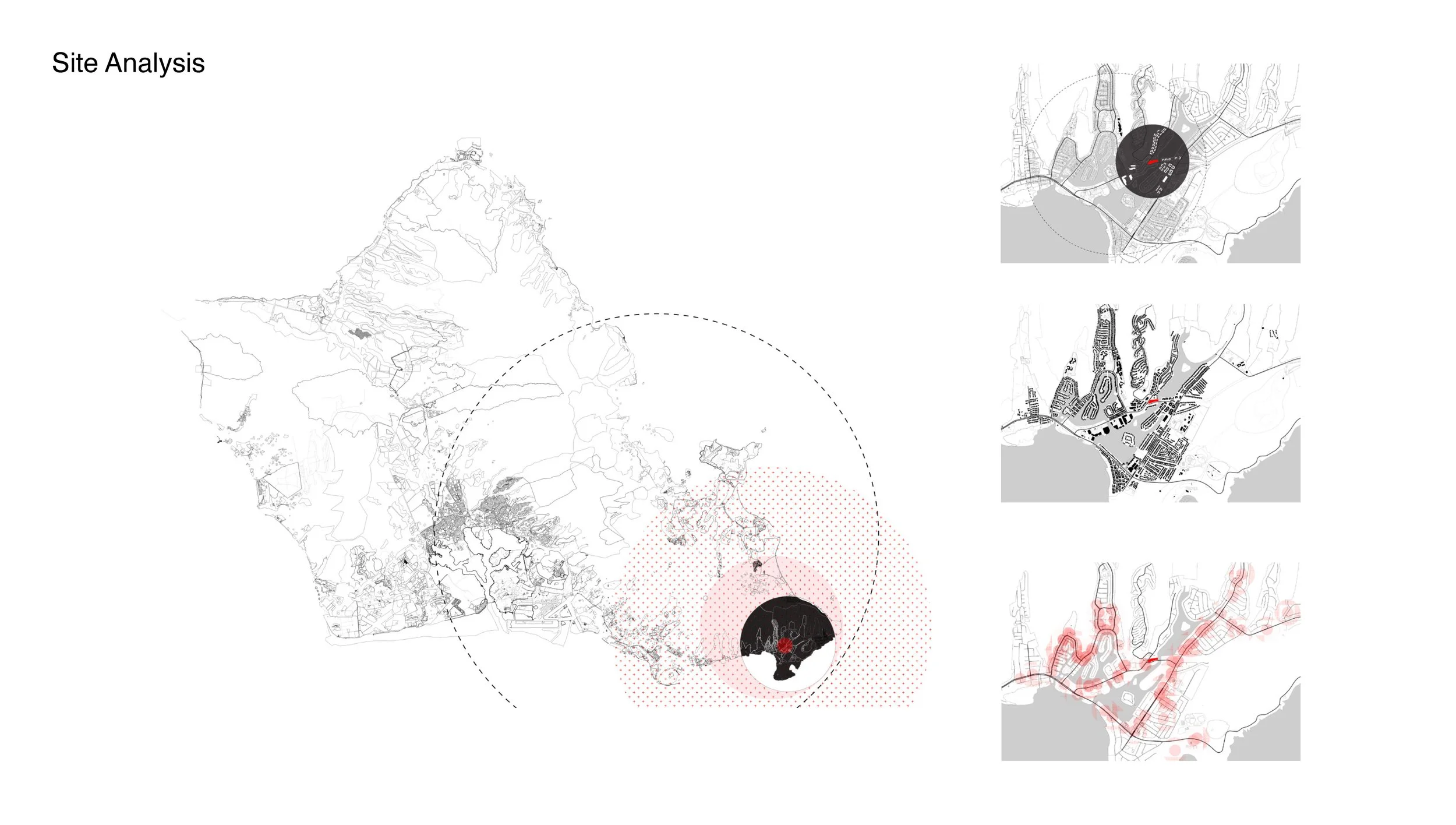
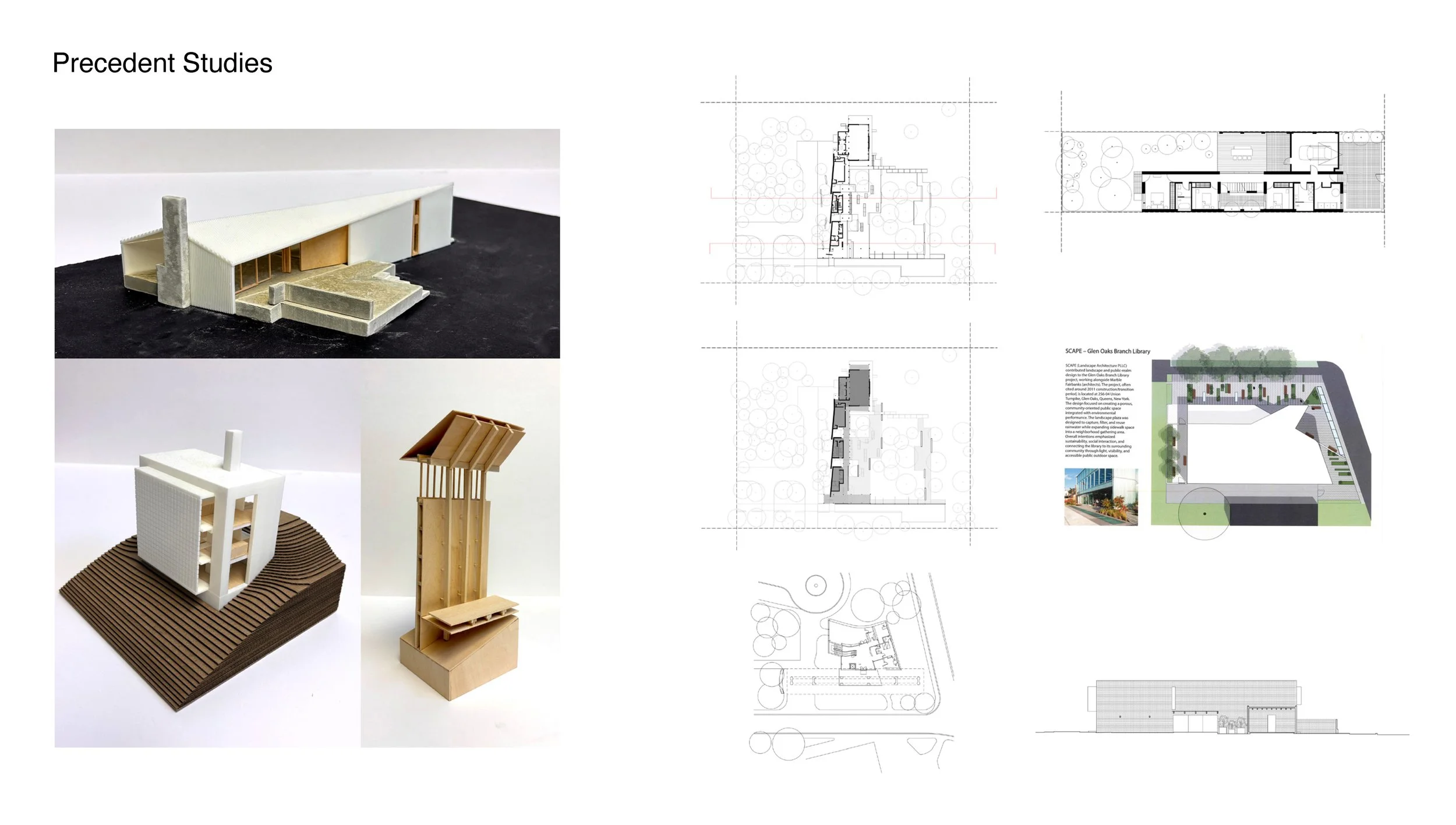
This housing design endeavor was predicated by two exercises – a site analysis that considered the site in three scales (Oʻahu, Hawaiʻi Kai, and the immediate locale) and a precedent study. The students were asked to not only consider the physical, quantifiable aspects of the site, but also to reflect on its cultural and ineffable qualities. Until the 1950’s, the Maunalua Bay ahupua’a, was a vast agricultural area consisting of farms and scattered wetlands, with multiple springs feeding into a 523-acre fishpond named Keahupua-O-Maunalua. Today the site sits in a sprawling, low density, car-dependent environment that is disconnected from its rich agrarian past. The students were challenged to reconsider what contextuality truly means. This was explored not only culturally, but also physically in that the site is bounded on two sides by an auto-centric road system with little pedestrian access to nearby amenities such as stores and schools. Its context consists of scattered housing with no consistent typology. This very nature of the site, however, allowed the students to develop a wide range of strategies.
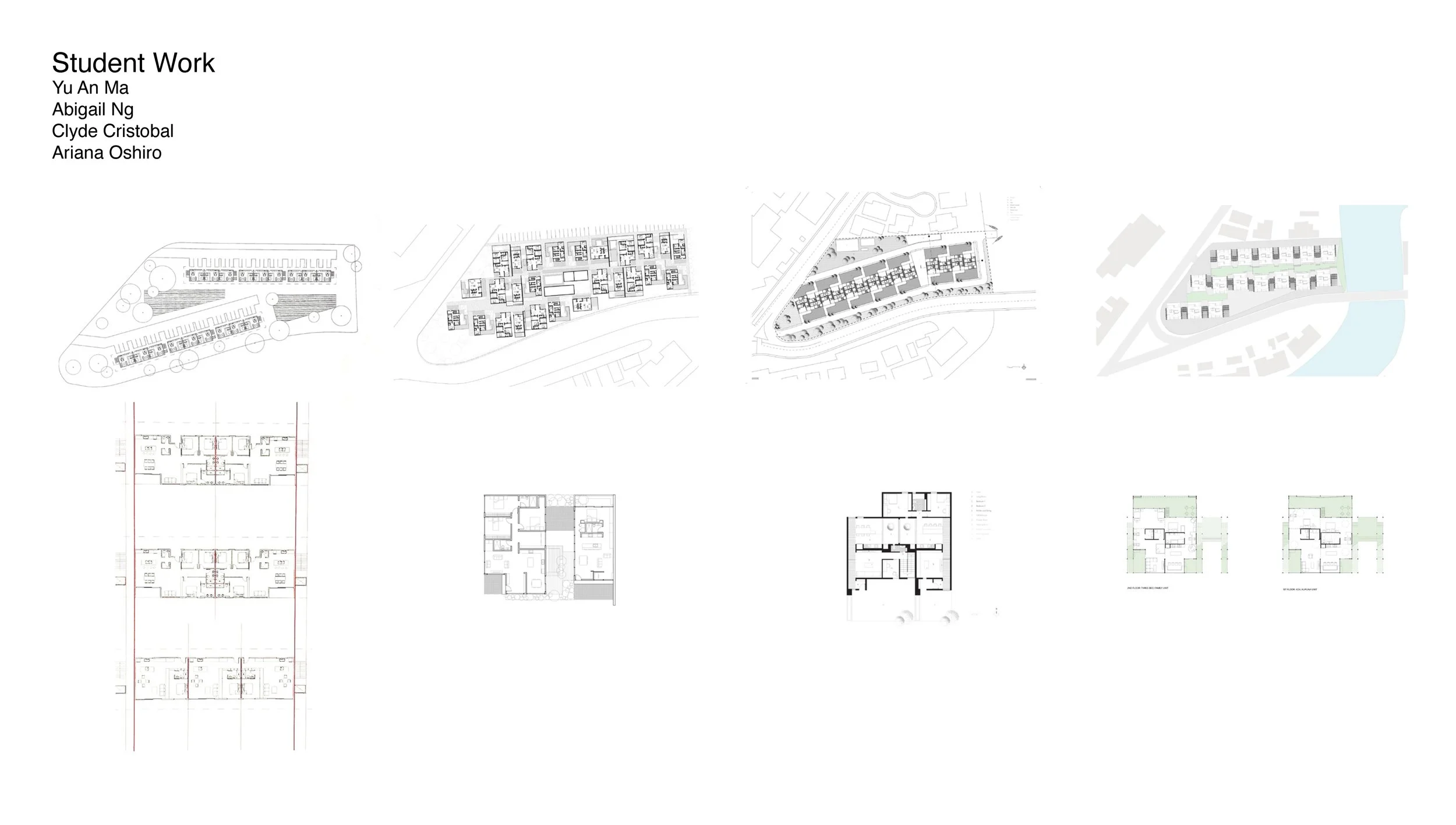
The students were asked to think of the site as one thing; a continuous series of rooms – public and private. They contemplated the spaces in-between the buildings (the ground as well as the figure), actively shaping them and considering the activity that could occur within them. Each project endeavored to develop strong relationships between the “indoor” rooms and “outdoor” rooms. The students were furthermore tasked to consider the nature of the community that will ultimately occupy the site – who will live here and how can the students’ designs facilitate their needs? The discussion centered around multi-generational families living together yet autonomously. The students’ designs considered also the prosaic aspects of the design; tackling the complexity of vehicular access onto the site while providing convenient parking without dominated the site design. In the end they created clear, well designed sites consisting of discrete buildings that shaped outdoor rooms providing the necessary opportunity for the community to gather in large and/or small groups.
Partner: Department of Hawaiian Home Lands
Instructor: Marc Roehrle
Students: Cameron Collier, Mico Corpuz, Clyde Crisobal, Chase Davis, Josh Delalcazar, Abbey Gunder, Lai He, Yu An “Anna” Ma, Abigail Ng, Ariana Oshiro, Quinlan Pharaon